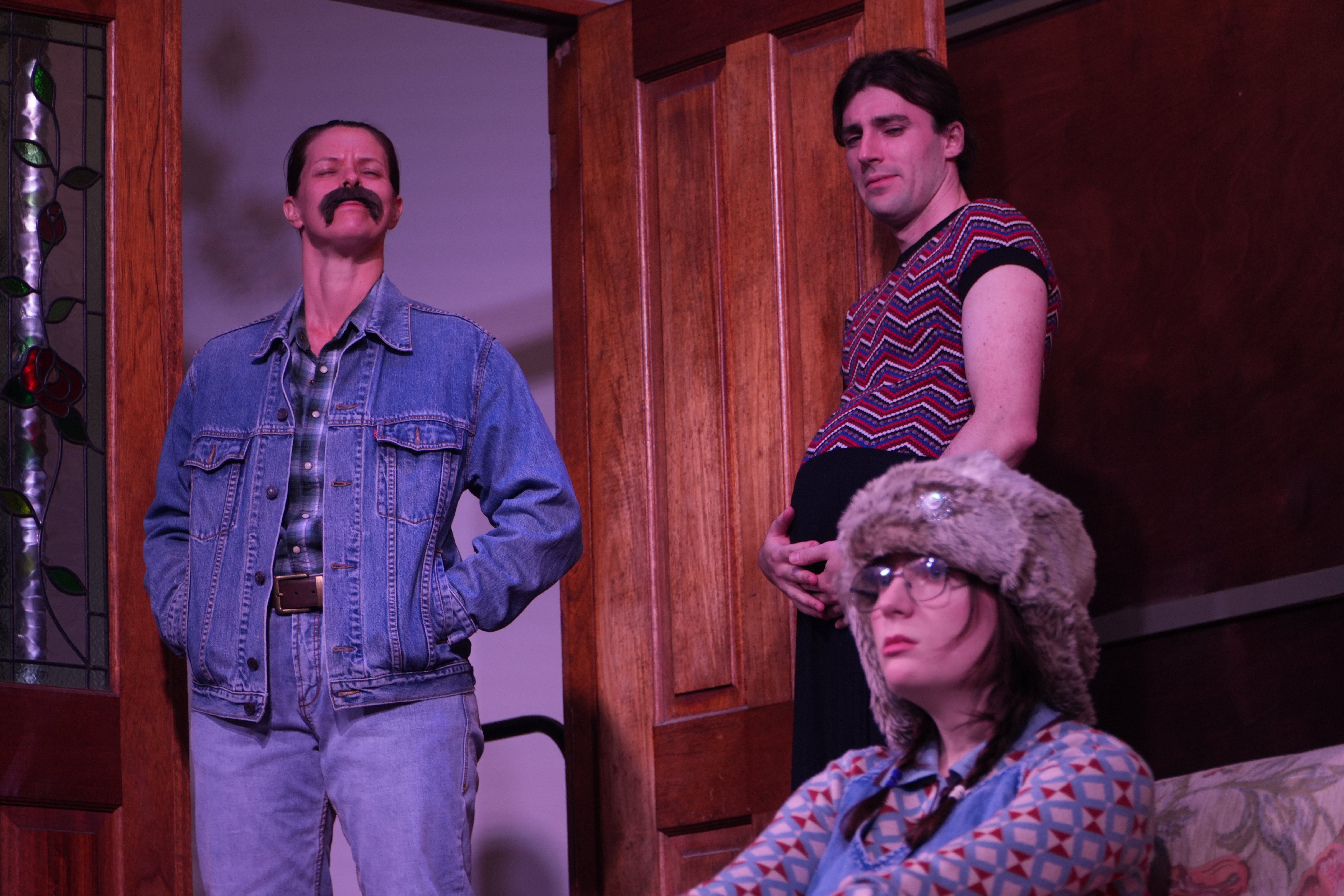
Salad Days Collective presented the Australian premiere of T Adamson’s absurd and endearing The Natural Horse at PIP Theatre during Brisbane Festival. Directed by Rebecca Day, with assistant direction by Jai Bofinger, and designed by Ada Ludkin, The Natural Horse is a wonderfully bizarre drama about a family of ex-Soviet immigrants and the feral horse they adopt into their suburban home in Racine, Wisconsin, naming him Goodboy.
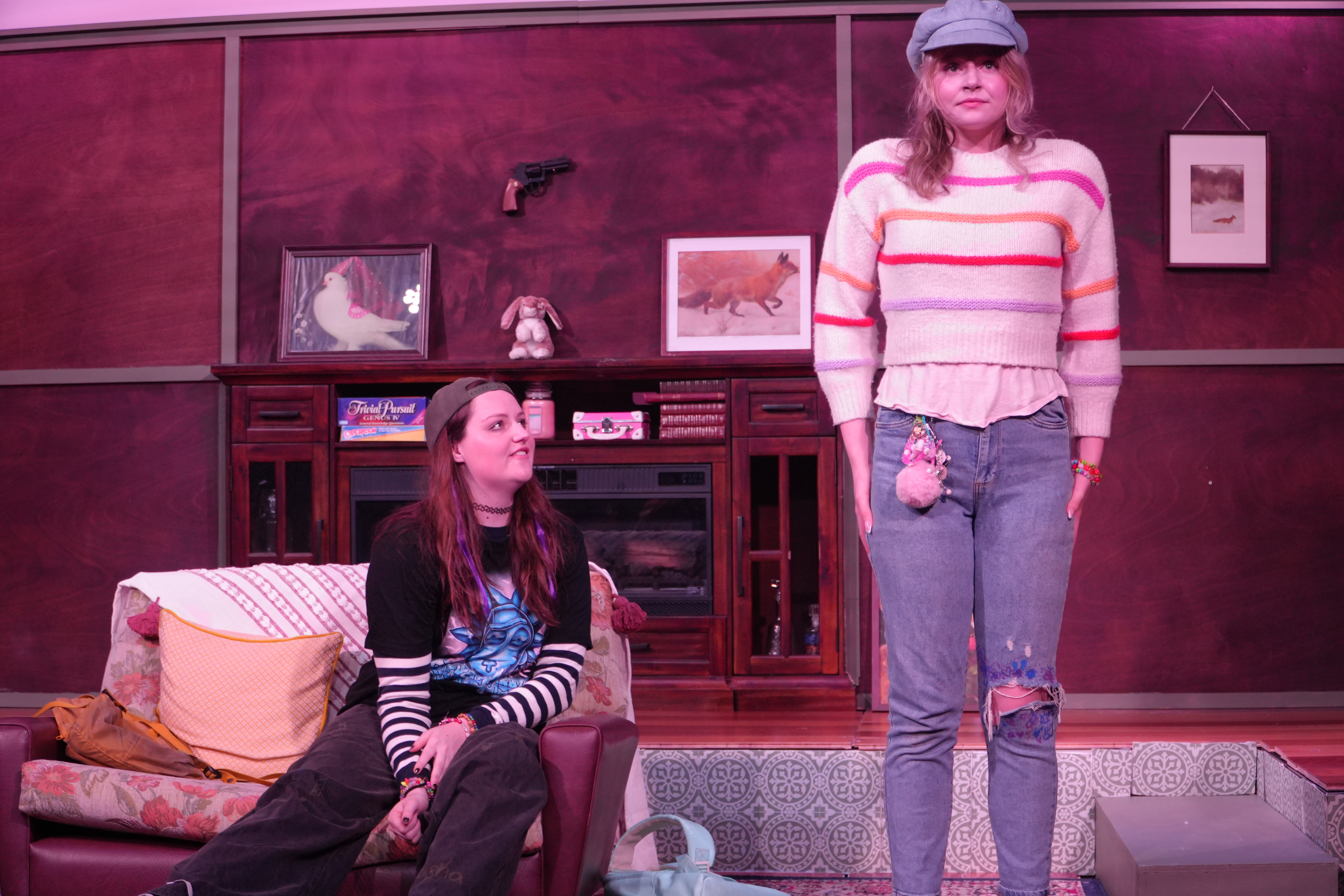
Masha, the eldest daughter, finds Goodboy on her way home from school and soon he is trotting in and out of the Karenina living room, beloved by the family but kept hidden from the suspicious body corporate.
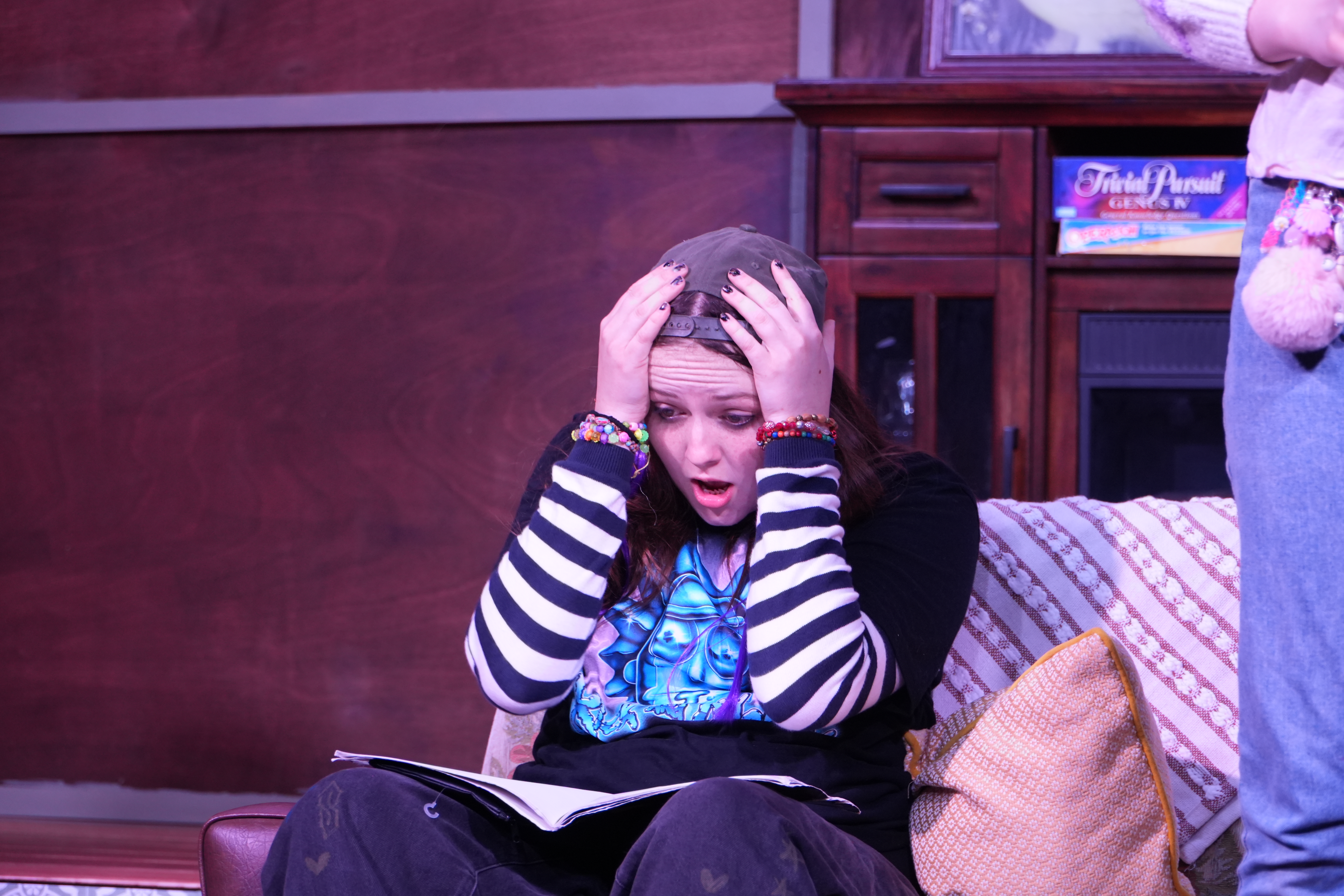
Masha is desperate to move out and become her own person in the world, and is waiting anxiously for a college acceptance letter that will be her ticket out. She’s almost-dating her best friend Charlotte, but despite being raised by two dads Charlotte is afraid and in denial about her attraction to Masha.
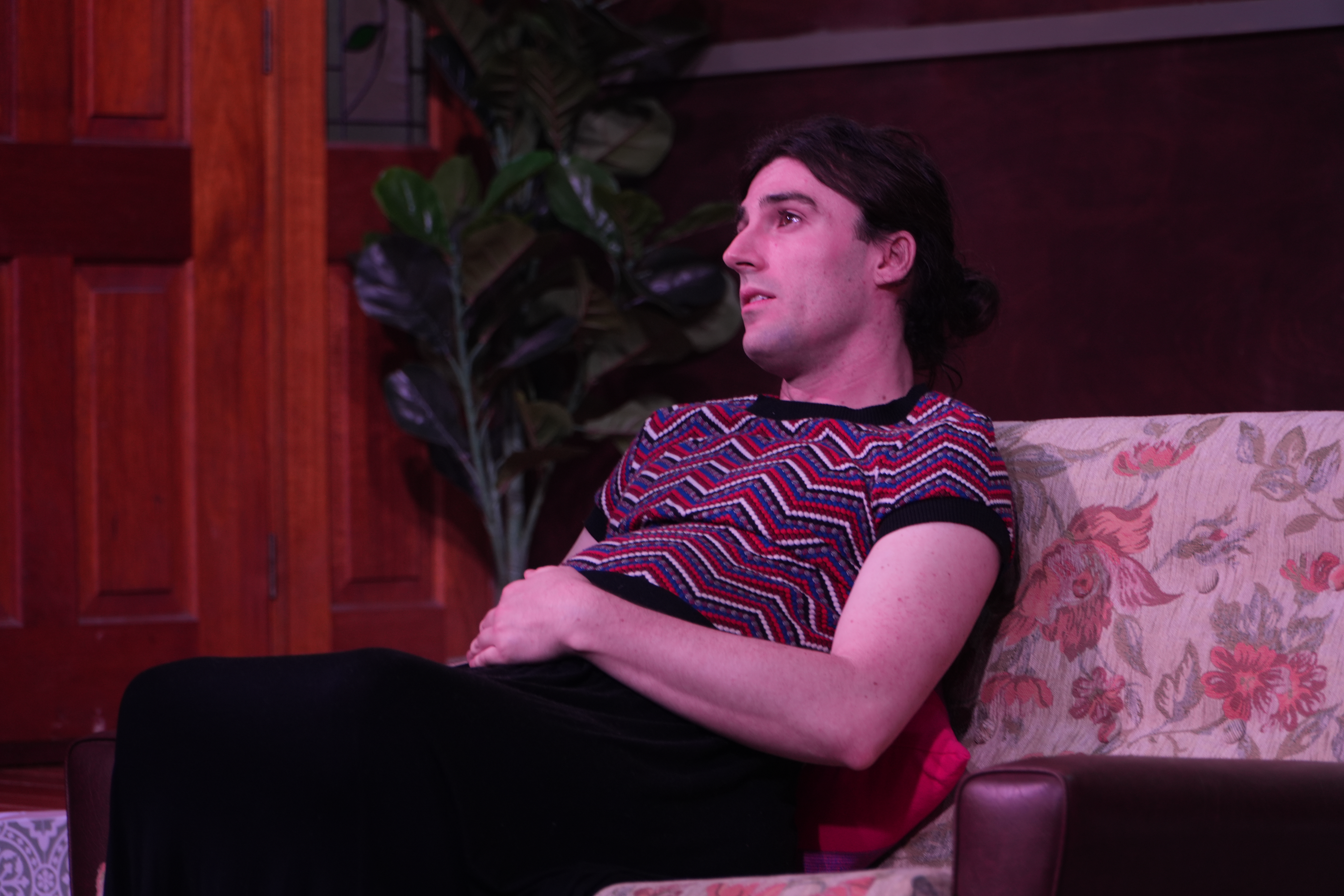
The younger Karenina sister, Lil Gemini, is obsessed with Timothee Chalamet and afraid of change. Their loving mother Svetka struggles to be recognised for her expertise and artistry at work, is exasperated by her husband Anton’s cheery facade as he pursues side projects, and watches the Americanisation of her children with soft sadness.
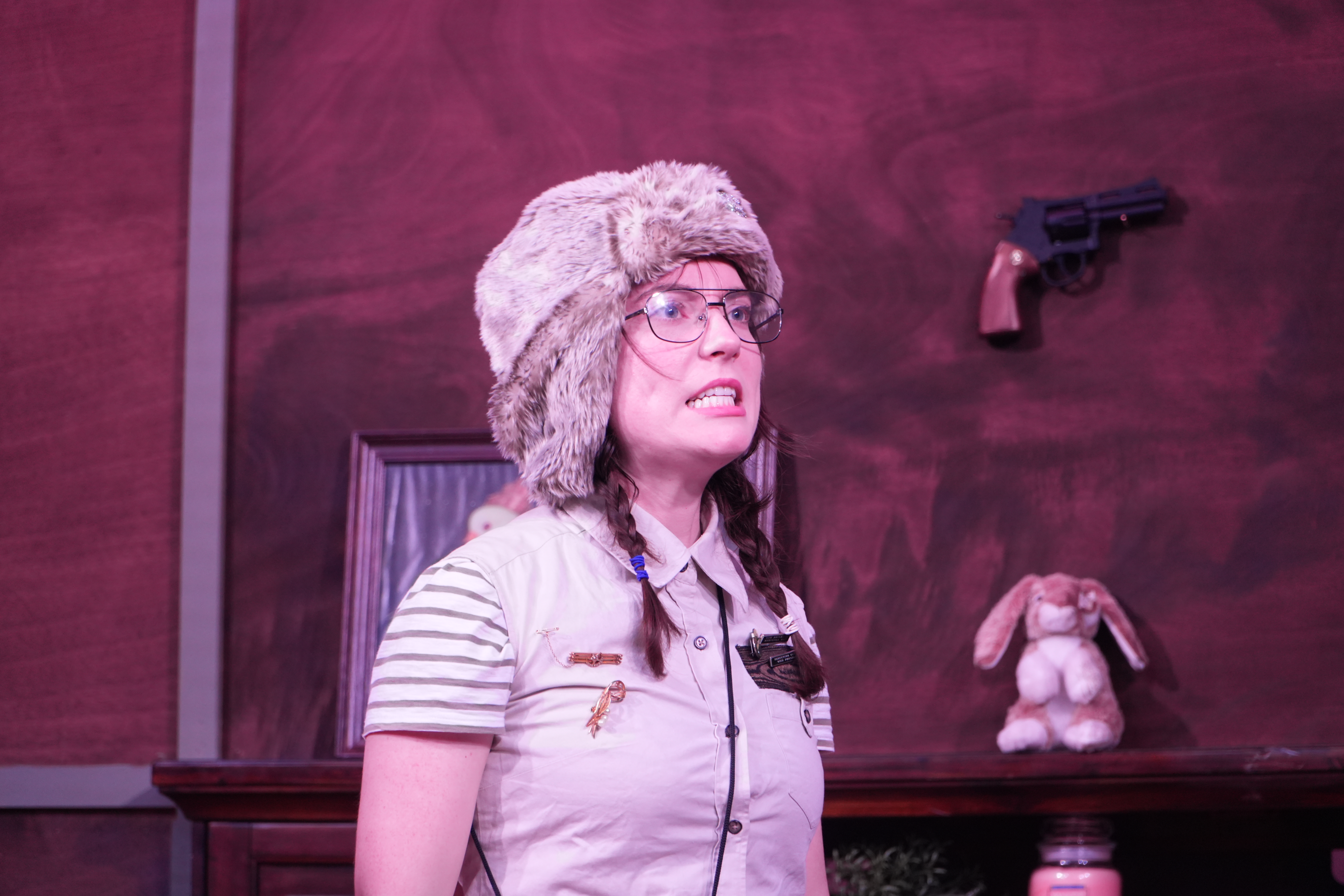
The Natural Horse is a play of sprawling ideas that turn on a dime, from highly specific references to American architecture and Russian literature to universal themes of adolescence and young love, immigration and displacement, cultural disconnection, and dysfunctional family dynamics. Ultimately, it is a play about how we build a home – literally, figuratively, collaboratively. The play ran for two hours without an interval, but the time flew past.
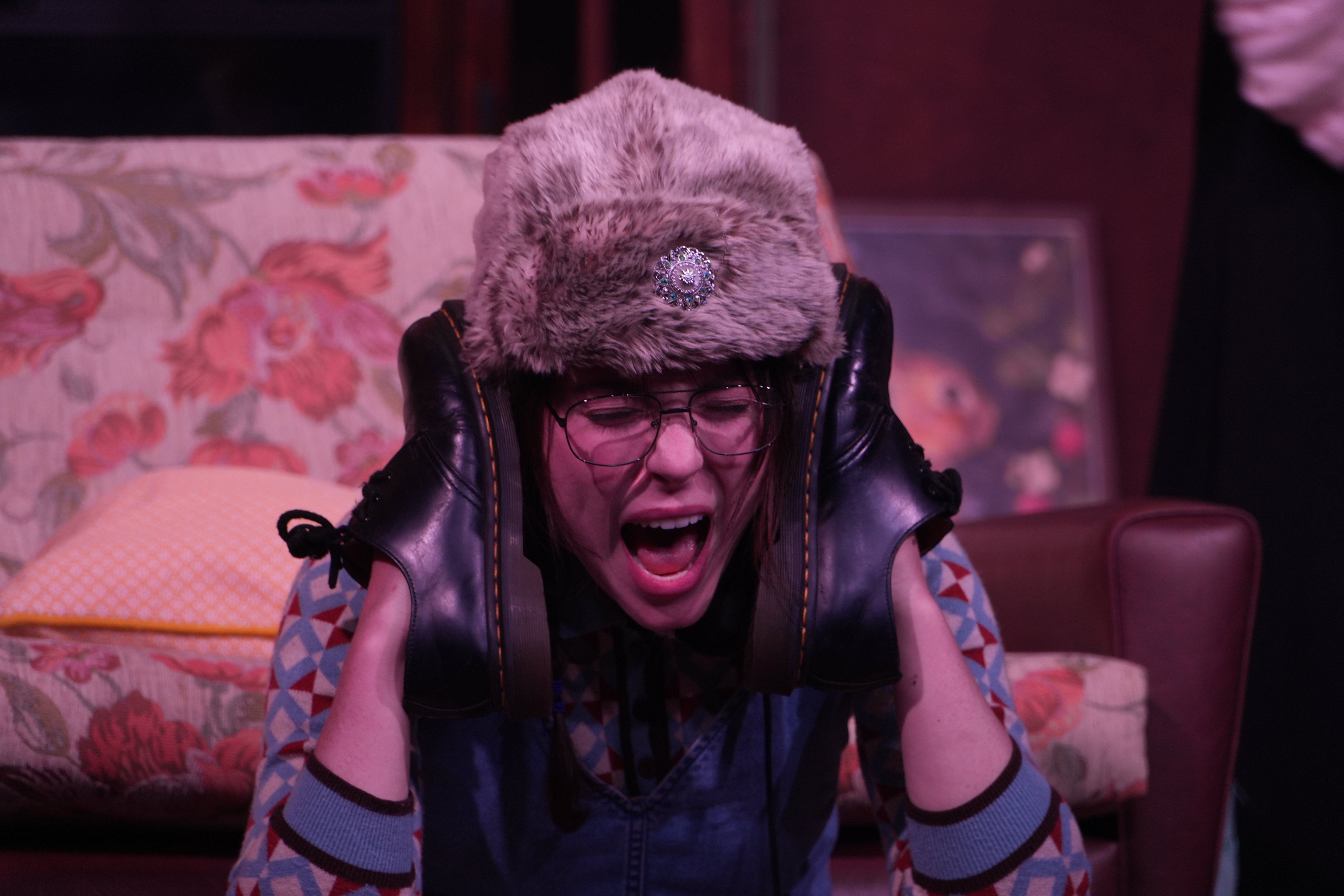
There was a sense of absurdity in the play’s violence and darkness, like Lil Gemini’s attempt to poison herself in protest of Goodboy’s removal, ending in a stream of bubbles. All that was gross glittered, in the Karenina home.
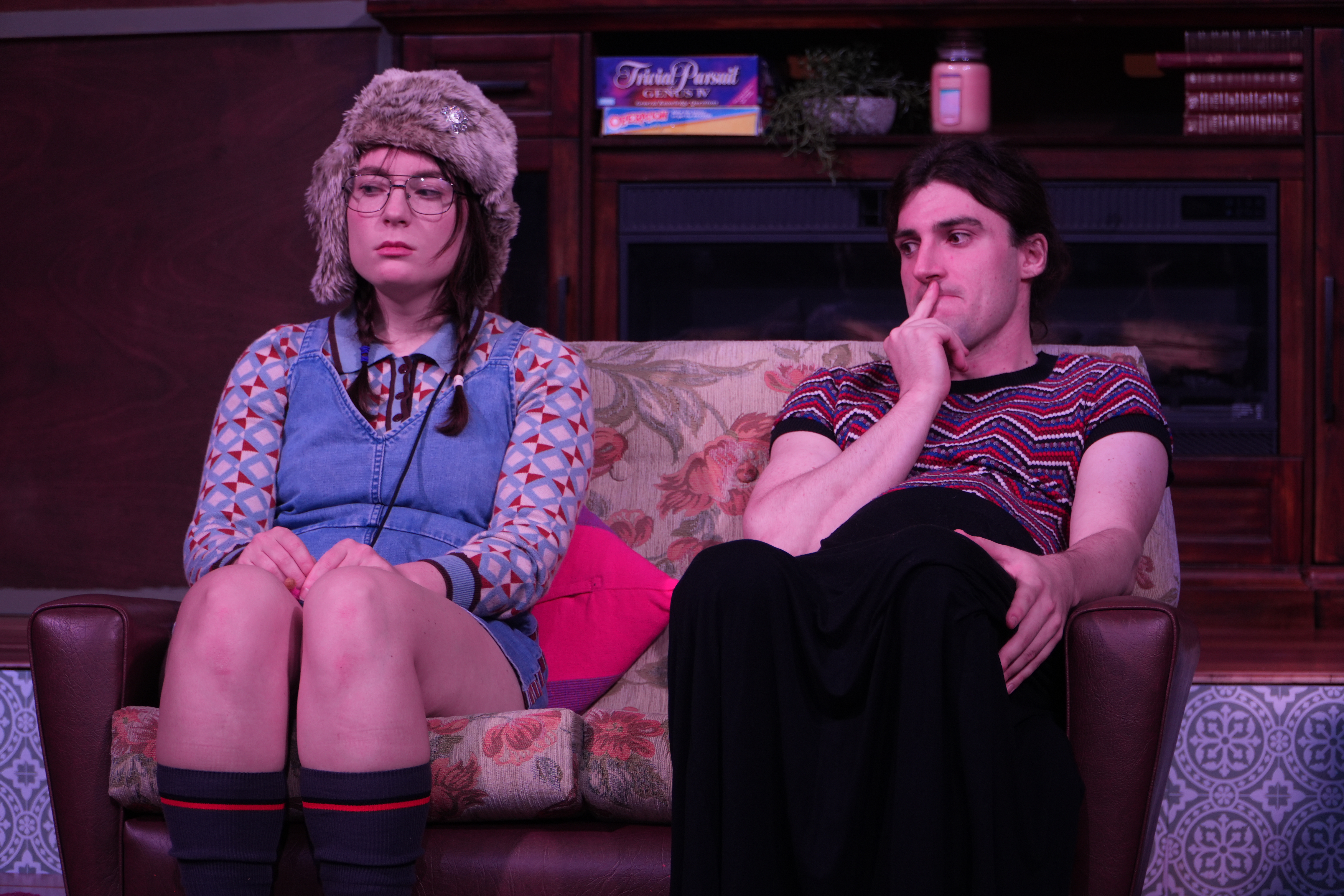
Pioneering American architect and designer Frank Lloyd Wright (who coined the term “organic architecture” and published a book titled The Natural House in 1954) featured heavily in the play’s writing. The family name may also refer to the famous opening lines of Leo Tolstoy’s Anna Karenina: “Happy families are all alike; every unhappy family is unhappy in its own way.”
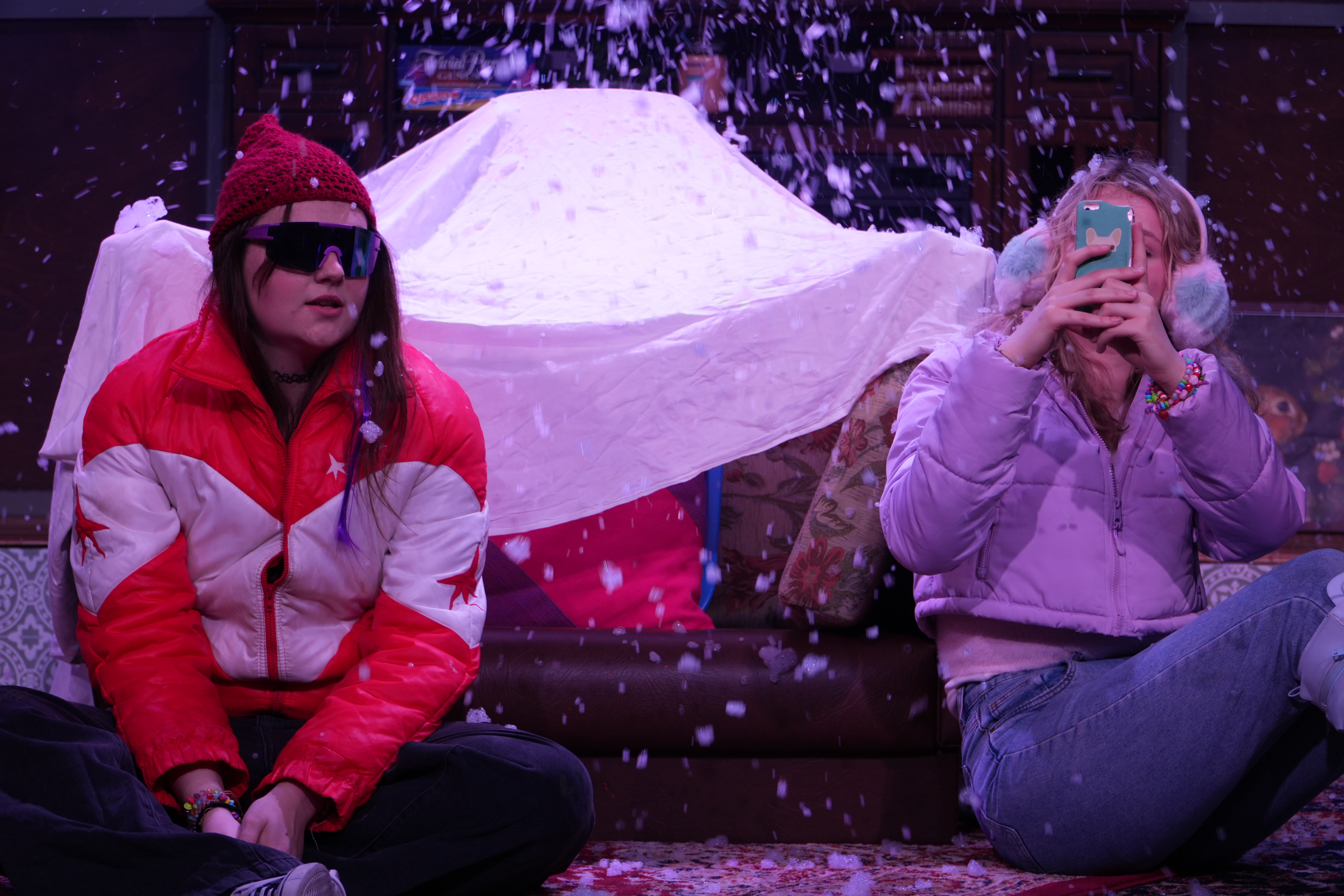
In addition to the cosy domestic set design of the Karenina living room, white sheets became snow drifts and verbose, old-fashioned title cards projected on the wall marked scene changes. Sound design by New Resource added to the sense of surrealism, and the play also incorporated several songs (and a music video).
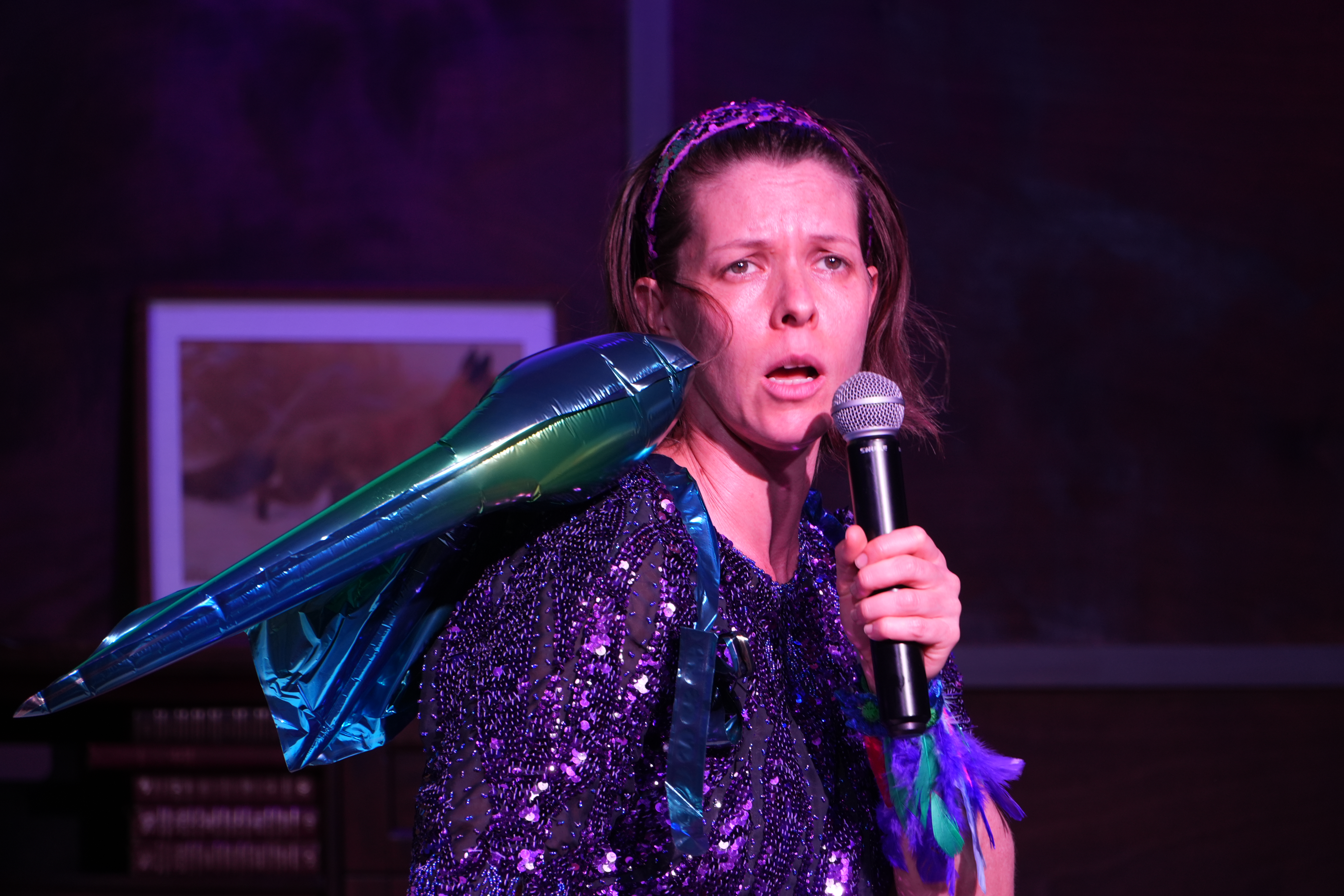
Jasmine Prasser played a moody and brash Masha, and Neve Francis was a nervous, wide-eyed Charlotte. Georgina Sawyer played Lil Gemini with intense energy, although it was unclear how old she was supposed to be, and the explosive tensions between her character and Prasser’s, as sisters, felt believably volatile.
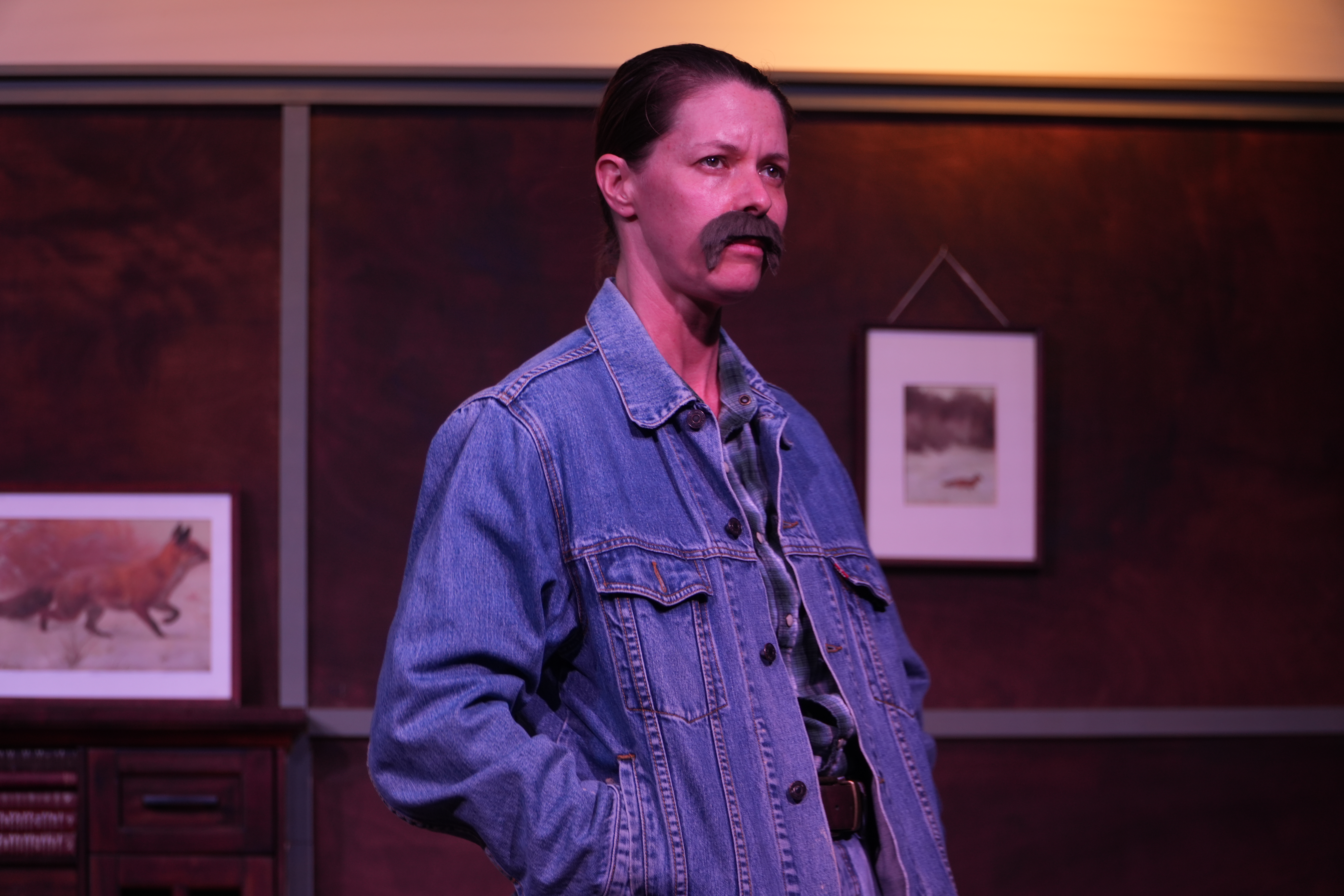
Lauren Dillon played Kirk, a ranch owner who comes to buy Goodboy, with swagger and a handlebar moustache, fully emotionally invested in his meandering anecdotes. Calum Johnston played family patriarch Anton with joviality and a thick accent, and Lachlan Orton gave a standout performance as his heavily pregnant and quietly disillusioned wife Svetka. Goodboy was puppeted with impressive dexterity by Johnston and Francis, smoothly navigating stairs, set furniture, and doorways with an ambling, confident gait.
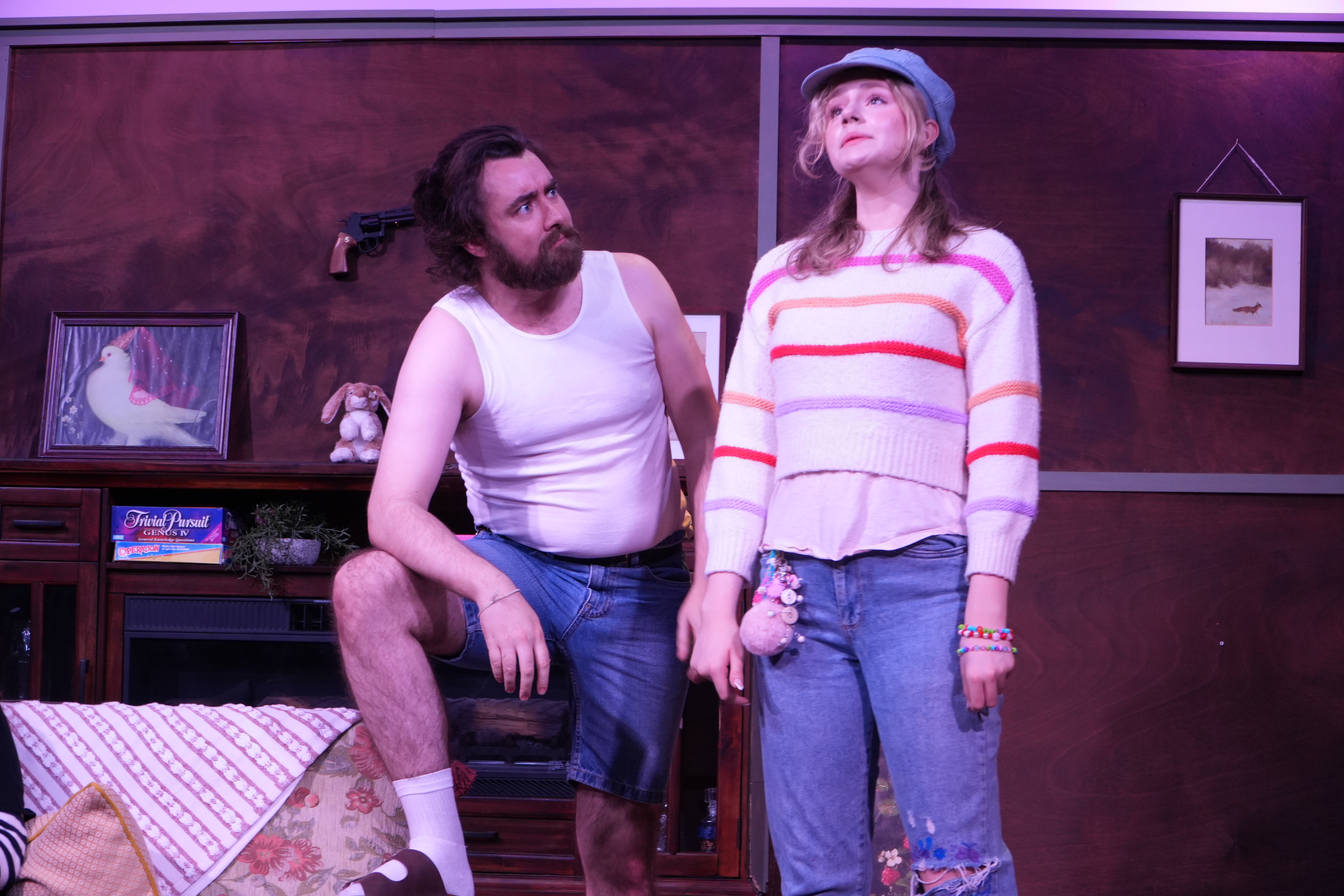
Salad Days Collective have once again created a memorable and atmospheric production that settles under the skin. The Natural Horse was both a family drama and a fever dream: tender, chaotic, and alive.
The Natural Horse was performed at PIP Theatre, Milton, from 23 September – 4 October 2025
For further information, visit the PIP Theatre website
 Backstreet Brisbane
Leave a comment