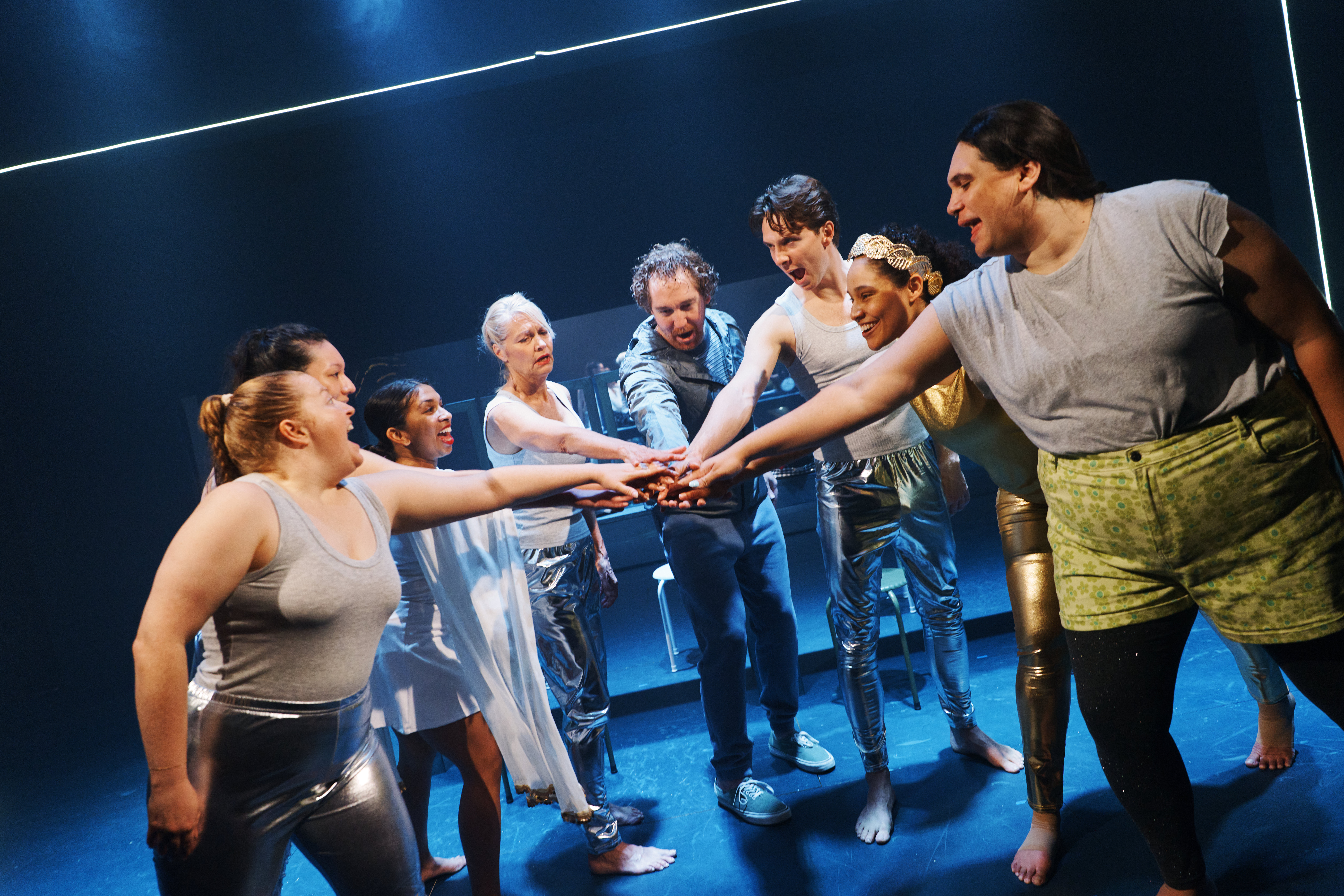
THAT Production Company brought Clare Barron’s Dance Nation to Metro Arts, a powerfully, truthfully complex coming-of-age story framed by the trials and triumphs of a troupe of teenaged dancers.
Directed by Timothy Wynn, with assistant direction and choreography by Jennifer B Ashley, Dance Nation follows a group of young people on the cusp of growing up, torn between childhood and adulthood as their dance school prepares for a national final. Using the trope of “the big competition” as a jumping off point, it follows the dancers’ relationships with themselves, their parents, and each other, as well as the way that dance shapes them in the moment and for the rest of their lives.
Written by American playwright Clare Barron, Dance Nation made its world premiere Off-Broadway in 2018 at Playwrights Horizons in New York, followed by a UK premiere at London’s Almeida Theatre later that year. The work won the 2017 Susan Smith Blackburn Prize and was also a finalist for the 2019 Pulitzer Prize for Drama.
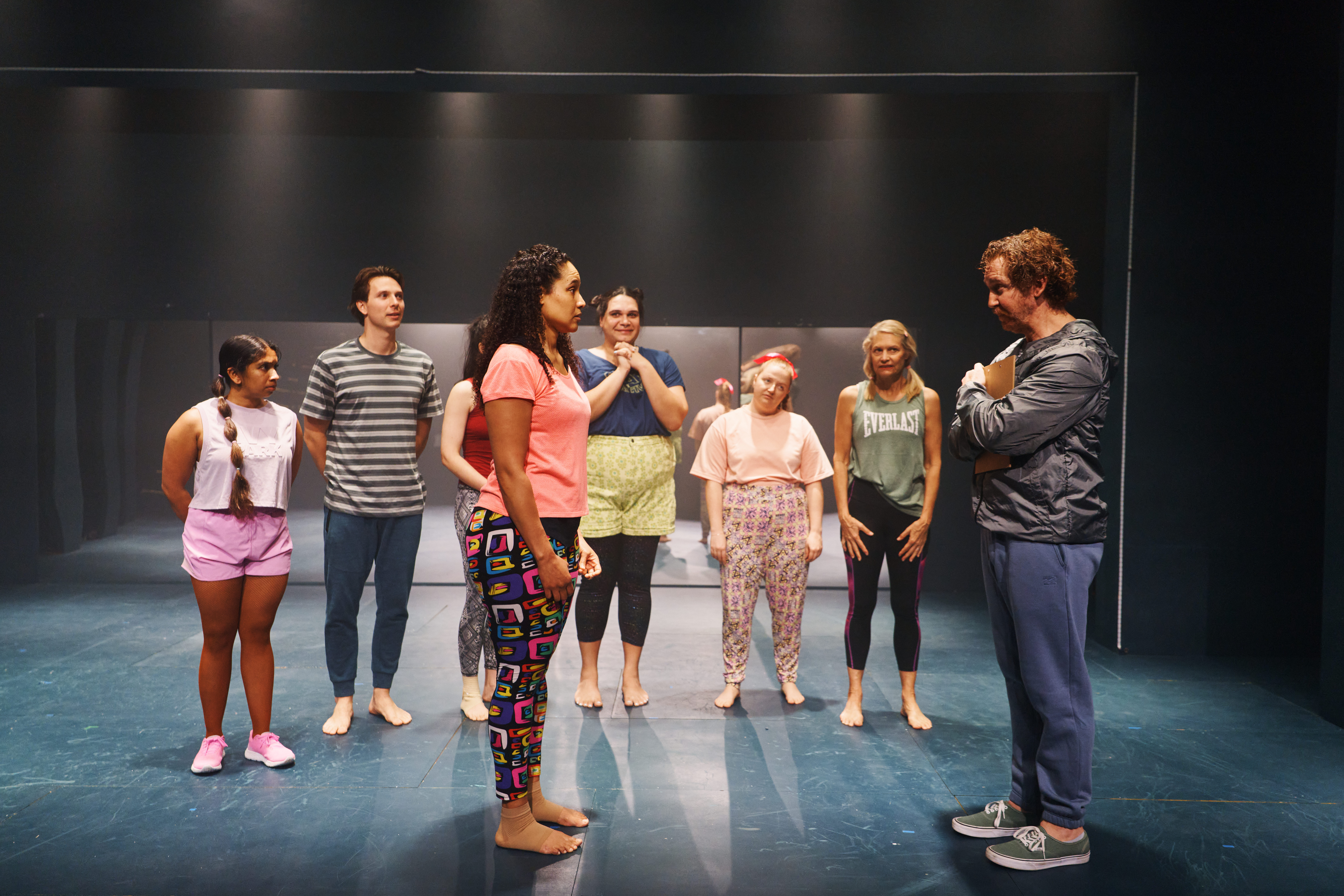
The story follows seven young dancers as they prepare for a national competition under the instruction of Dance Teacher Pat and his delusions of grandeur. Amina is the top dancer, driven and talented, but envy puts her friendships under strain. This only increases when Zuzu is given the solo in their new routine – Amina worries she has fallen from favour, and Zuzu is anxious to live up to her teacher’s expectations. Sophia is outwardly confident about sex but struggles with new changes in her body; Maeve likes to dance but is mostly interested in wolves; Luke is the only boy in the troupe; Connie is often overlooked among the group; and Ashlee wonders how good she could be if she really tried.
Barron’s script is sharp and very funny, perfectly capturing the outsized sense of importance attributed to events like a pre-teen dance competition without dismissing their impact on who and how we become. Elements of surrealism evoked intensity of feeling and urges towards destruction – inward or outward – that resonated with that time of life. The sudden appearance of vampiric fangs as Zuzu allowed herself to desire the top spot, and the later appearance of fangs on her fellow dancers on the day of the competition, further suggested a connection between teenagers and wild animals, although this was a once-off appearance and the fake teeth sometime impeded their speech.
The play addressed common dance story concerns– self-image and eating disorders, pushy stage mothers, power plays by manipulative dance teachers, bodies and friendships placed under stress by competition conditions – but also digs meaningfully into who the young dancers are becoming, not just what is happening to them.
Choreography by Jennifer B Ashley allowed for the varied dance experience of the cast and underlined the plays’ themes about the sexualisation of young girls. In the first rehearsal a spotlight on the dancers faces, contorting with effort, was an excellent and unusual piece of storytelling. The full-body dancing began in earnest with the first competition routine, and choreography ranged from eisteddfod classics to twerking and grinding to modern musical remixes.
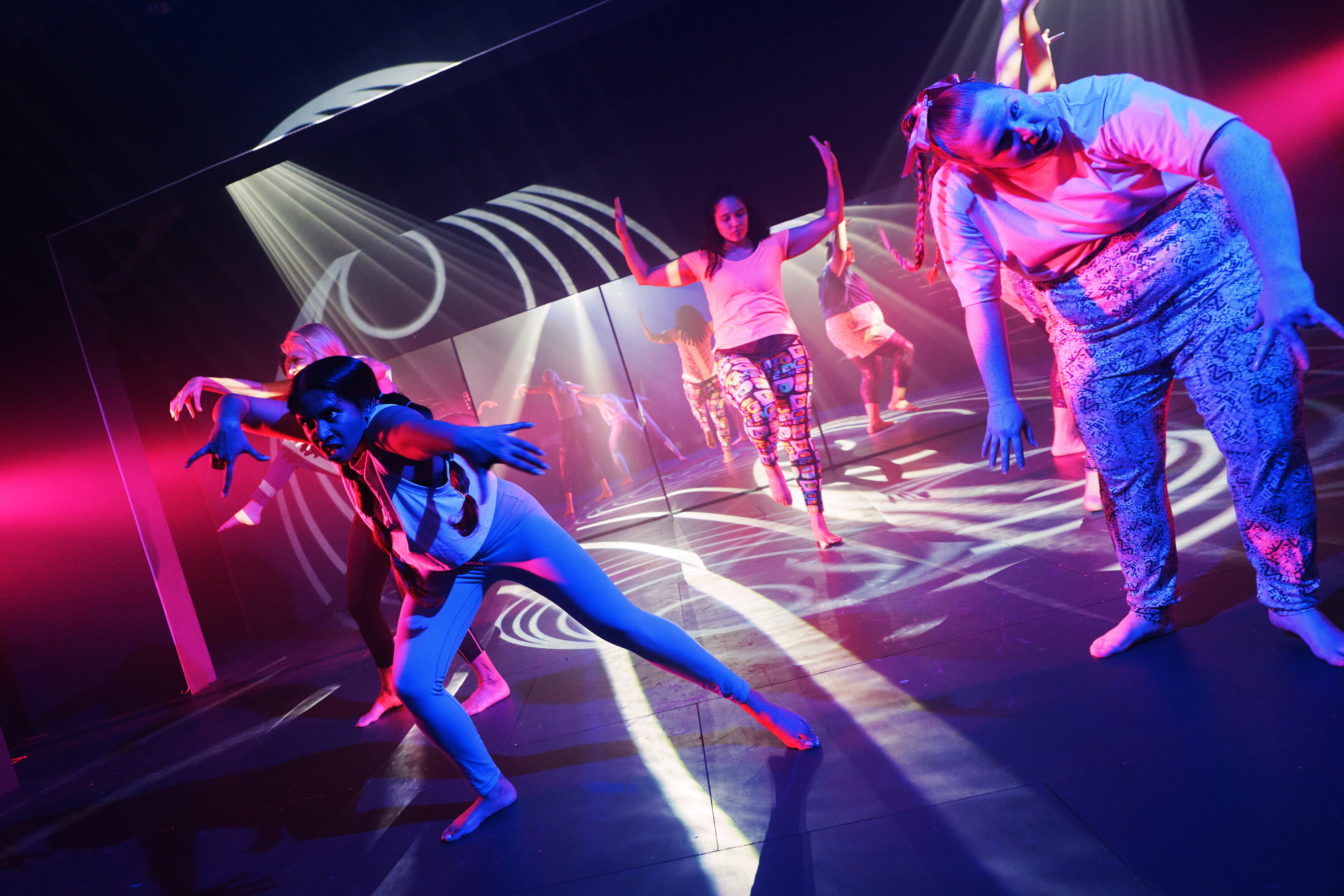
Wynn’s direction built understanding of the team dynamic with small gestures of support and encouragement between the dancers, and crafted striking moments of comparison across the characters’ lives – notably, a triptych towards the end of the play featuring Amina, Connie, and Sophia in their homes.
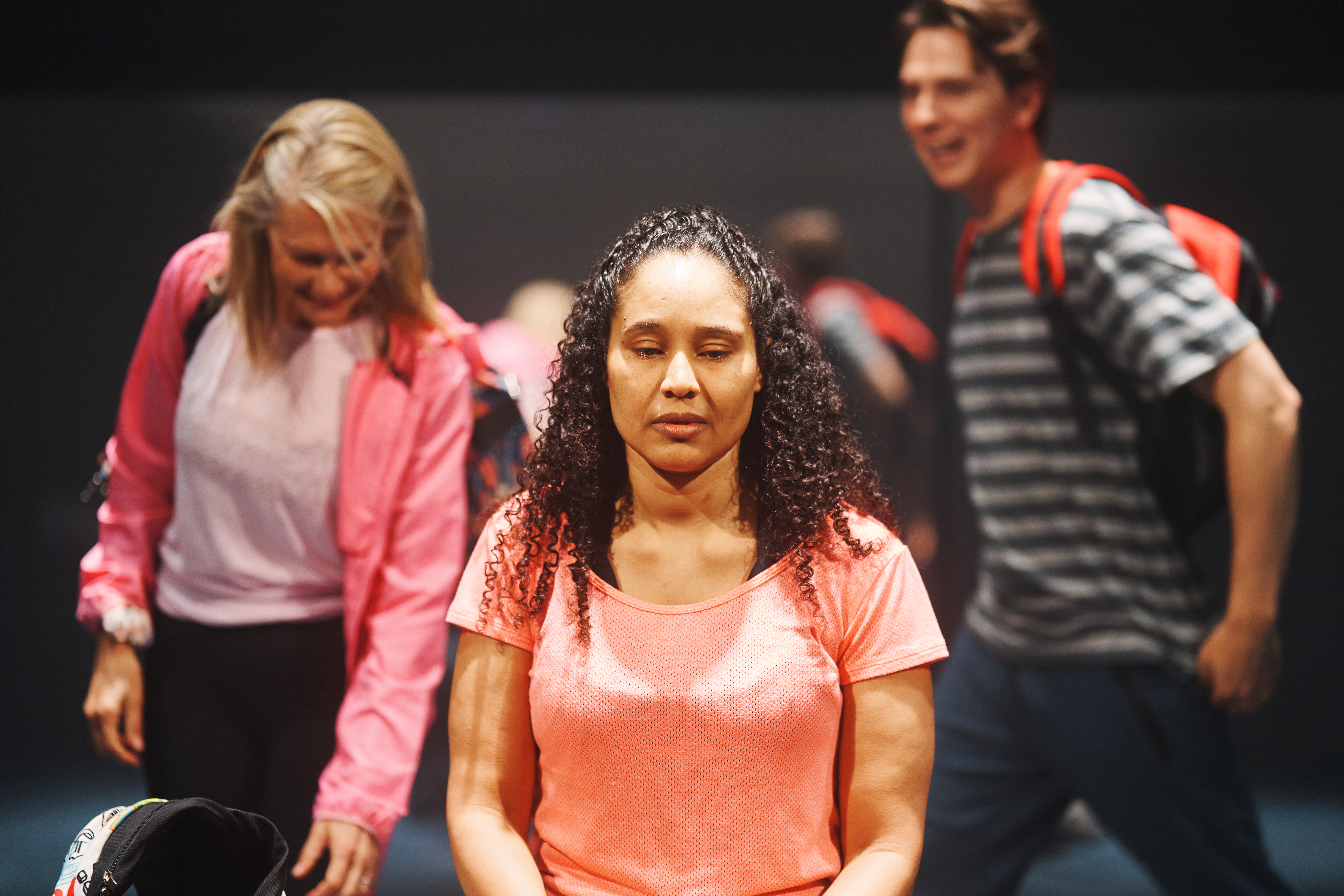
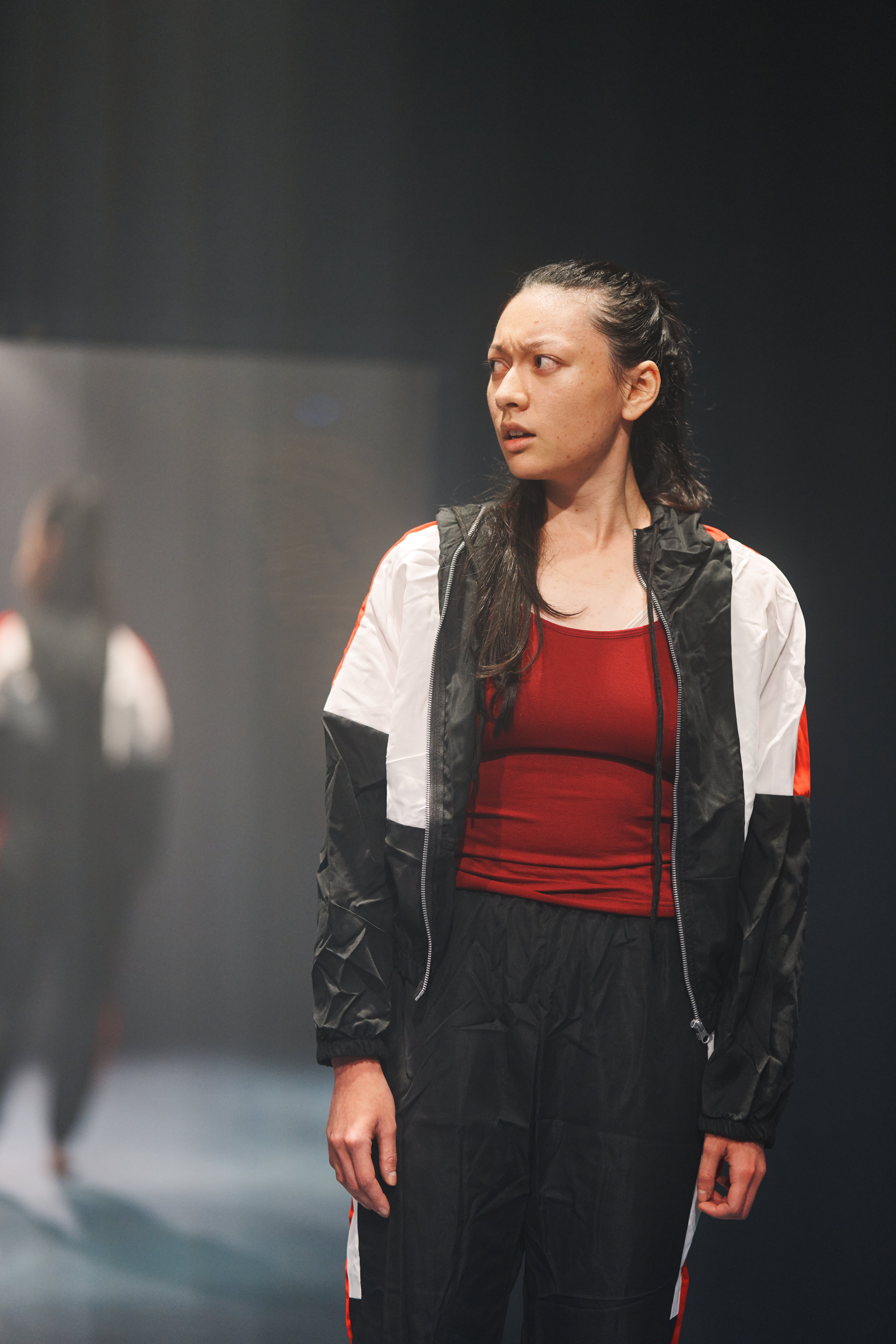
The cast of Dance Nation allowed space for both ferocity and vulnerability in embodying their characters, balancing naiveté and childishness with curiosity, confidence, and impatience as they envisioned a future for themselves. The young characters in this play were refreshingly complex and changeable, and each dancer had a monologue that allowed the audience deeper access to their inner worlds. Dance Nation is set in Middle America, and the cast maintained mostly consistent American accents.
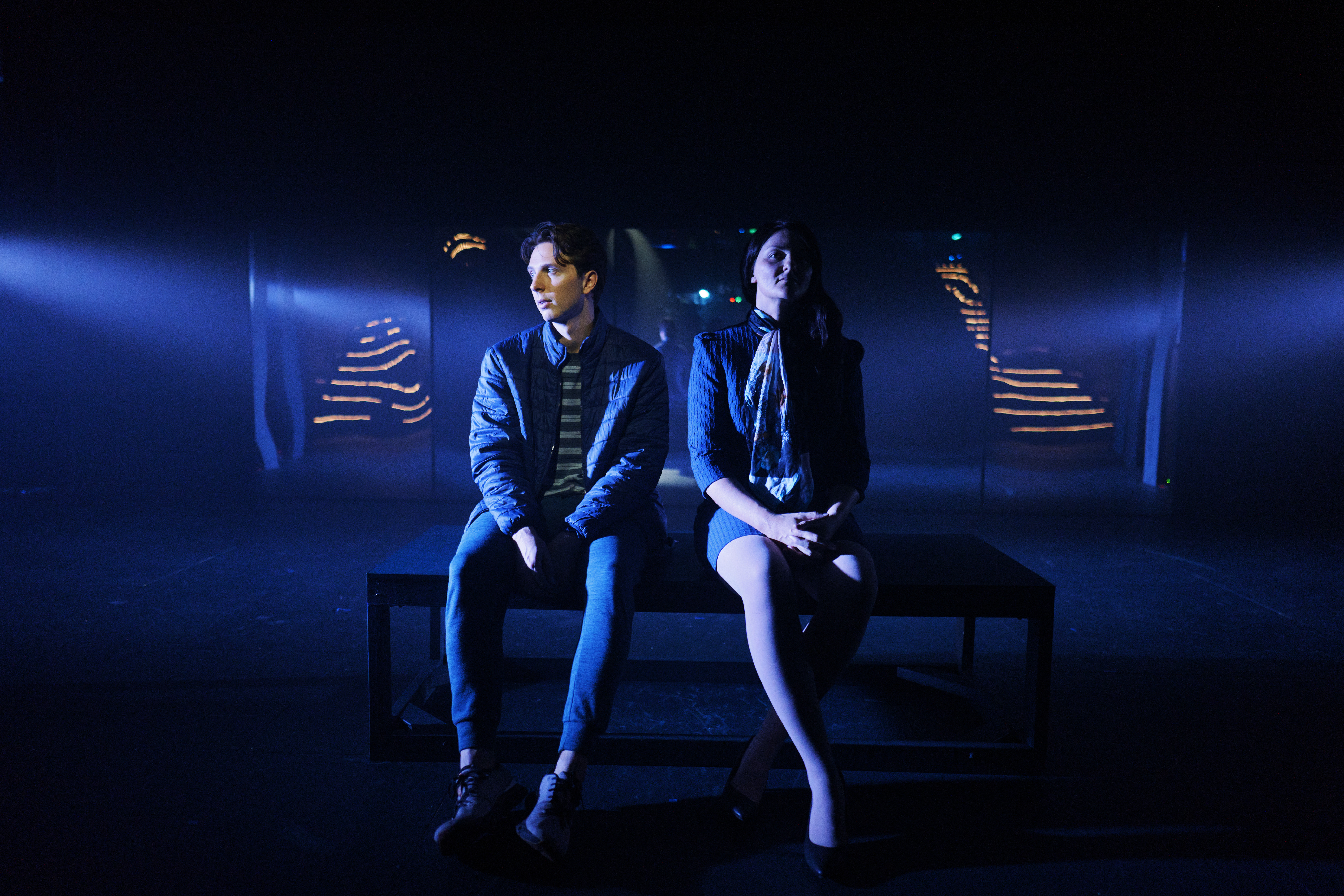
Each of the teen characters was portrayed by an adult, although the opening number and several lyrical solos that complemented the monologues were performed by an actual group of young dancers.
Carla Haynes played Zuzu, under pressure from an overbearing, ill mother and afraid to blow her first chance at the big solo. Jeanda St James played Amina as awkward and uncomfortable in her success, even as she was consumed by a desire to be the best. Janaki Gerard brought a vibrant energy to the stage in both her acting and her dancing as Connie, and Thea Raveneau took the audience on an emotional rollercoaster with her portrayal of Ashlee – her monologue was especially memorable.
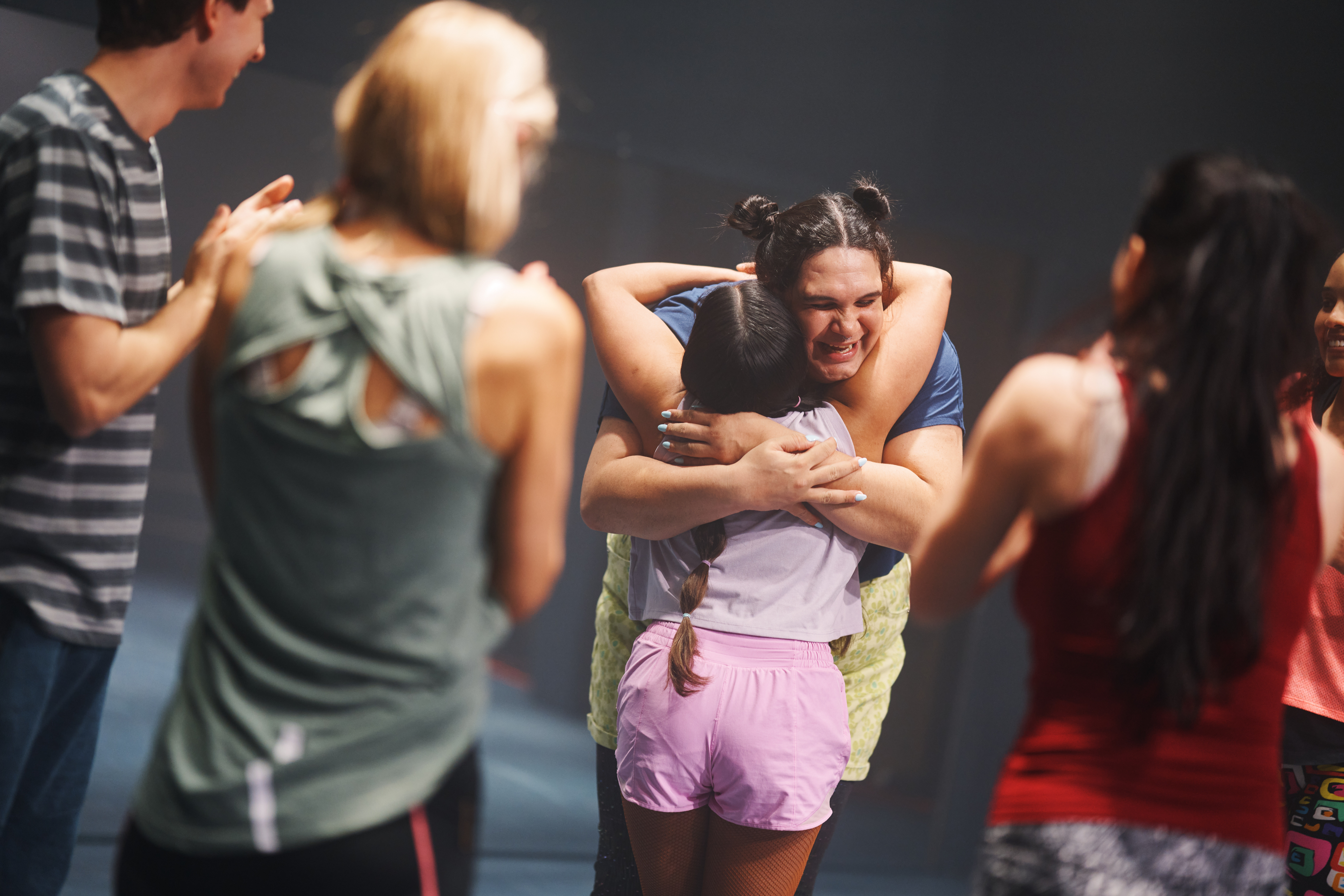
Johanna Lyon was larger-than-life as Sophia, her brash confidence about sex and bodies in the rehearsal room balanced by exasperated embarrassment as her mother offered advice about her first period. Jessica Veurman played thoughtful and kind Maeve, and Morgan Francis was a sweet and well-meaning Luke.
Cameron Hurry played Dance Teacher Pat, on the border between camp and cruel as he pitted the girls (and Luke) against each other. Aurelie Roque played Vanessa, a girl whose injury in the first scene put her out of commission for the big competition, and swapped costumes, wigs, and personas to play The Moms of each of the dancers.
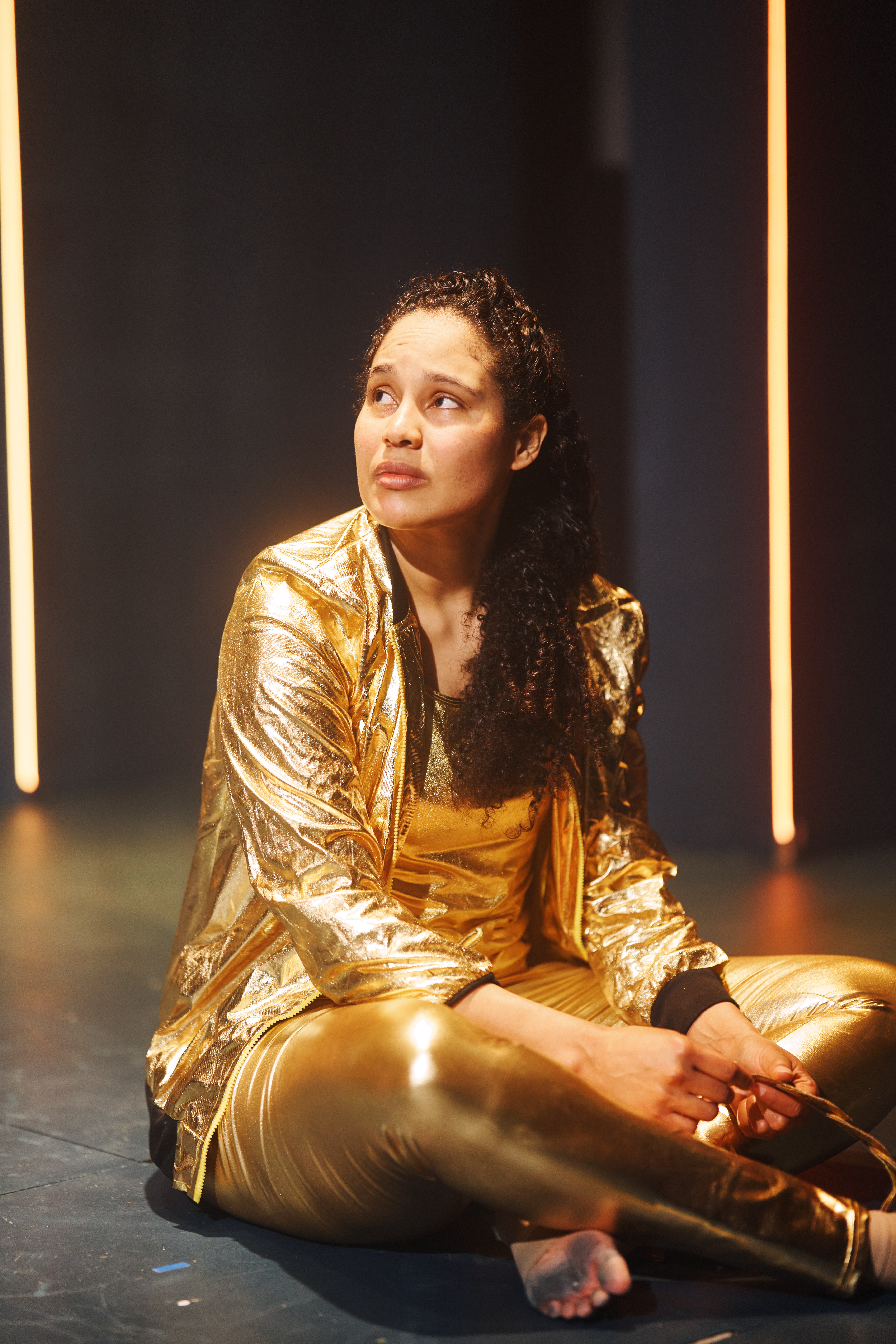
Set and costume design by Eva Fritz featured funhouse mirrors that distorted reflections and became transparent when backlit to depict the hallway outside. Set pieces including dressing room tables and racks of costumes were wheeled in and out to transform the space, and a mixture of exercise gear and shimmering costumes differentiated between class and competition.
Sound design by Brady Watkins strengthened the emotion of each scene as well as more subtly building the setting. Lighting design by Wes Bluff was outstanding and evocative, from the wings of the competition stage to streetlights passing outside a car window, and the colourful patterns of the dance performances.
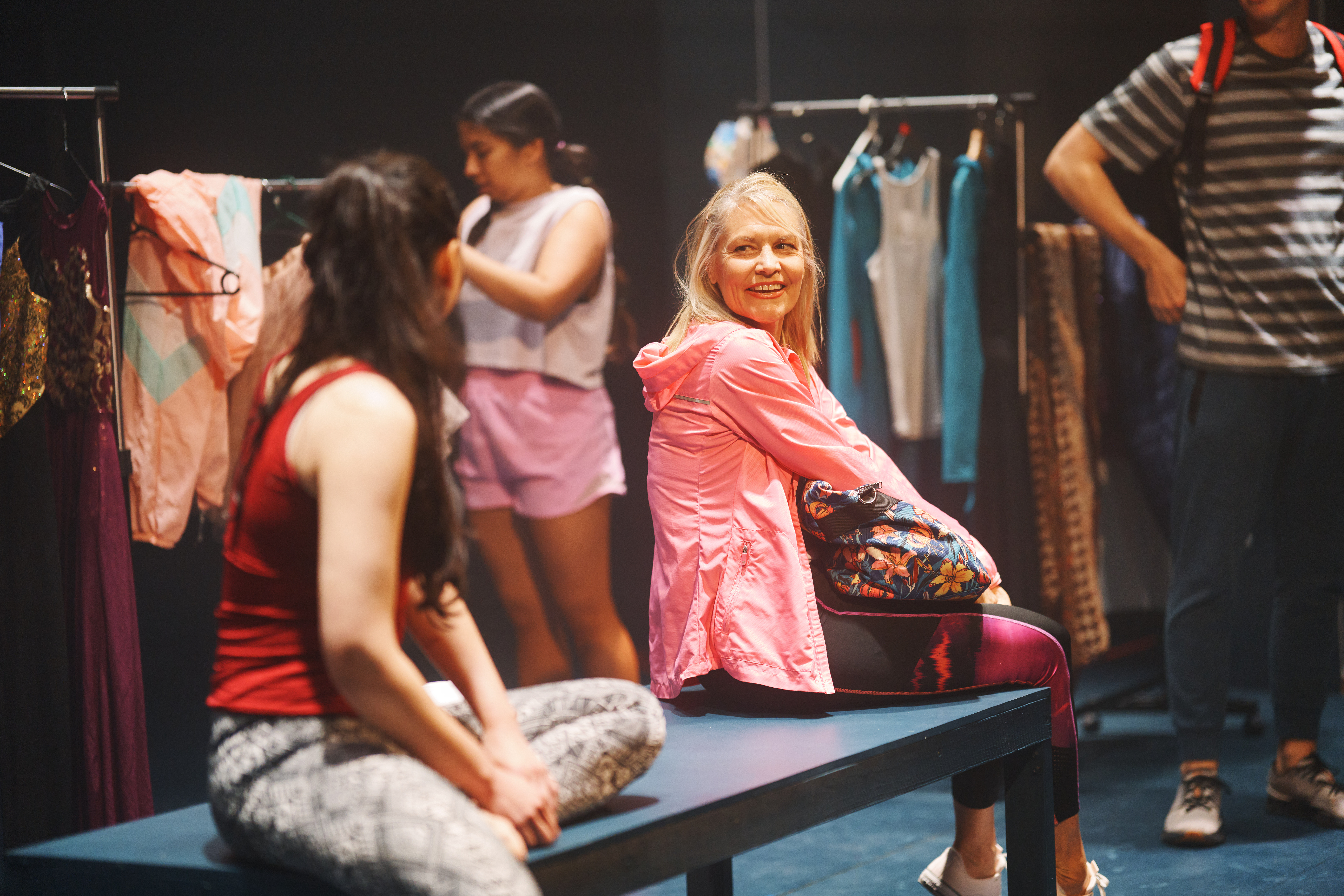
Dance Nation captured the primal energy of being a teenager – the messy business of bodies, sexuality, friendships, and families colliding with a burning, uncertain optimism about the future and their place in it. The cast and creatives delivered a profoundly impactful performance in their fearless embrace of all the joy, shame, desire, dreaming, and ambition of this transitional time.
Dance Nation played at the New Benner Theatre, Metro Arts, West End, from 20 – 30 August 2025
For further information, visit the Metro Arts website
 Backstreet Brisbane
Leave a comment