Sweetness and cruelty, domesticity and animalism collide in Mud, a play about poverty and power presented by Salad Days Collective at PIP Theatre in Milton.
Mae spends her days working to support herself and Lloyd, her not-brother and sometimes-lover. She and Lloyd grew up together and now live in the house of their childhood, barefoot in the mud. Lloyd seems unbothered by this, but Mae dreams of a better life and tries to steer herself toward it, attending school and learning to read.
When Lloyd gets sick but refuses to see a doctor, Mae cannot read the complicated medical pamphlets. She enlists their neighbour Henry to assist, a neat and polite young man who Mae admires for his refinement. Soon, Henry is moving in and Lloyd is on the outer. Mae hopes that Henry will offer her a better life, pulling her out of the mud, but he turns out to be a different kind of anchor attached to her sinking hopes.
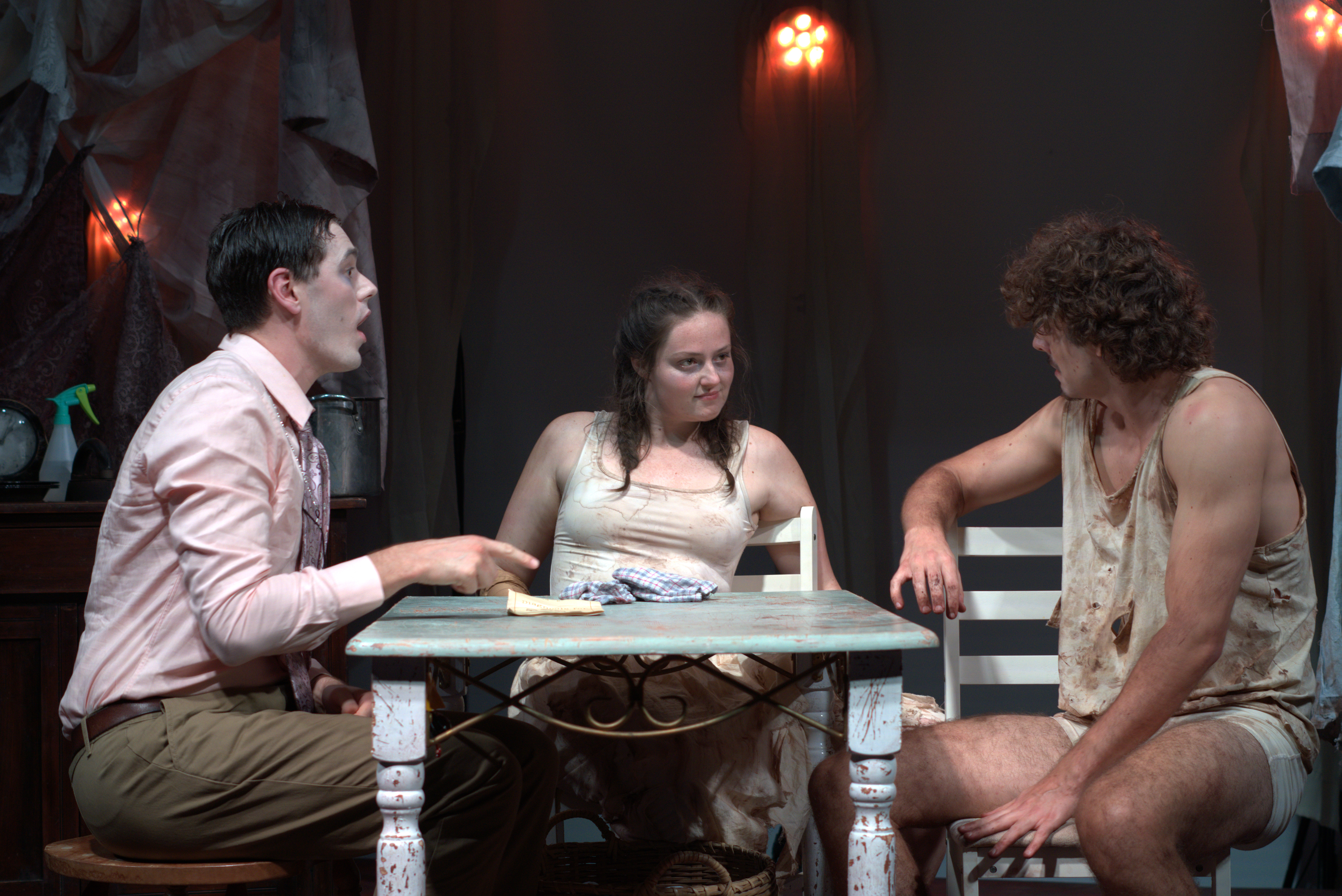
The play shimmers with resentment and despair as Mae, Lloyd, and Henry struggle for different kinds of dominance around the kitchen table, debating the value of knowledge and pushing against ideas of civility. Woven into the story, through the book Mae is slowly reading, are images of marine animals that resonate with the play’s themes – one hermit crab wresting a shell from another, and the arms of a starfish reaching for a light it can sense but cannot see.
Mud was written by Cuban-American playwright María Irene Fornés, and premiered in California in 1983. It explores themes of class, education, control, and the thankless, unpaid domestic work of women. The bleakness of the play is cutting, and argues against the “pull yourself up by your bootstraps” model of socioeconomic advancement by portraying complex circumstances of illiteracy, poverty, dependent family and caring duties, and the pure luck that underlies so much of privilege (or its absence).
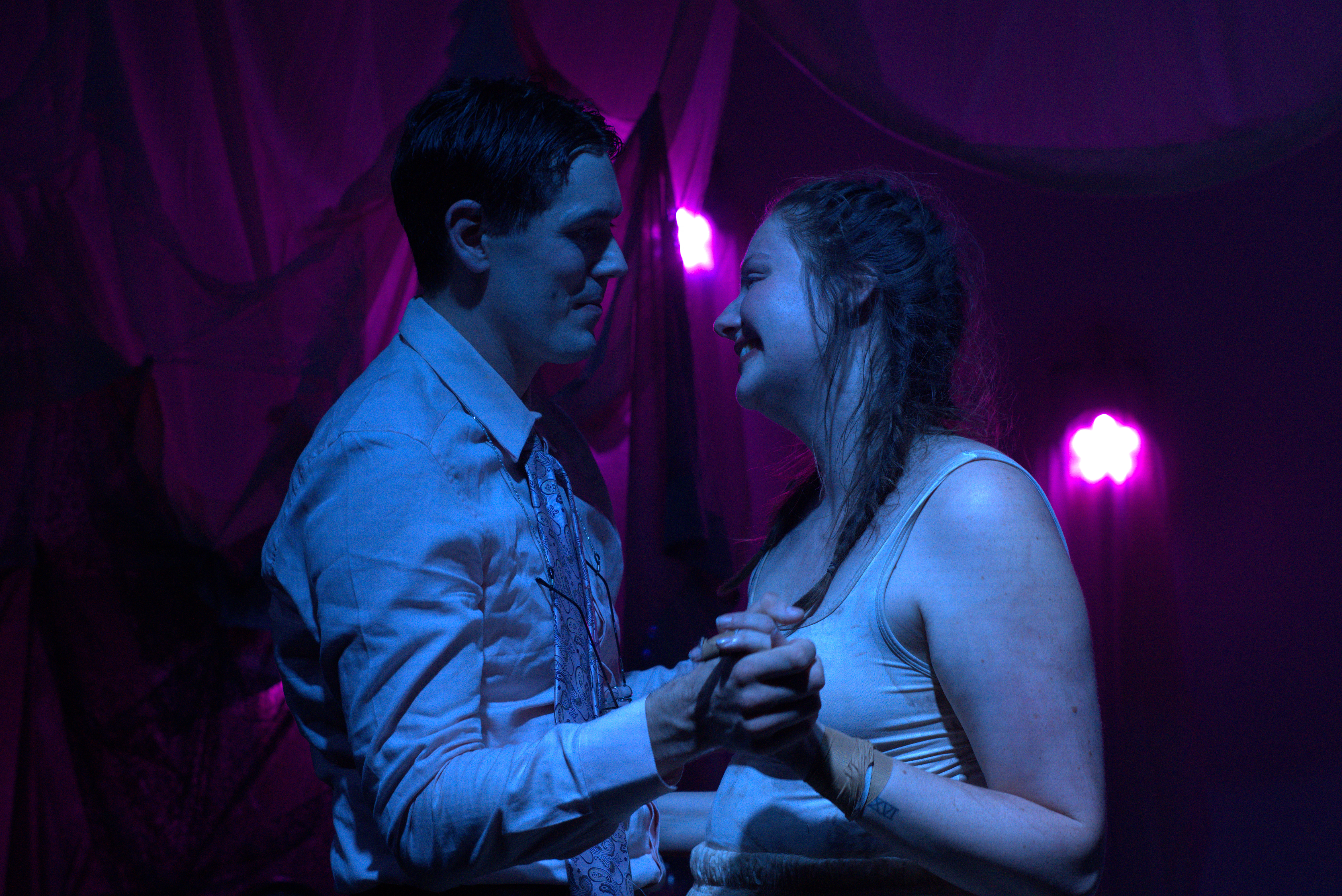
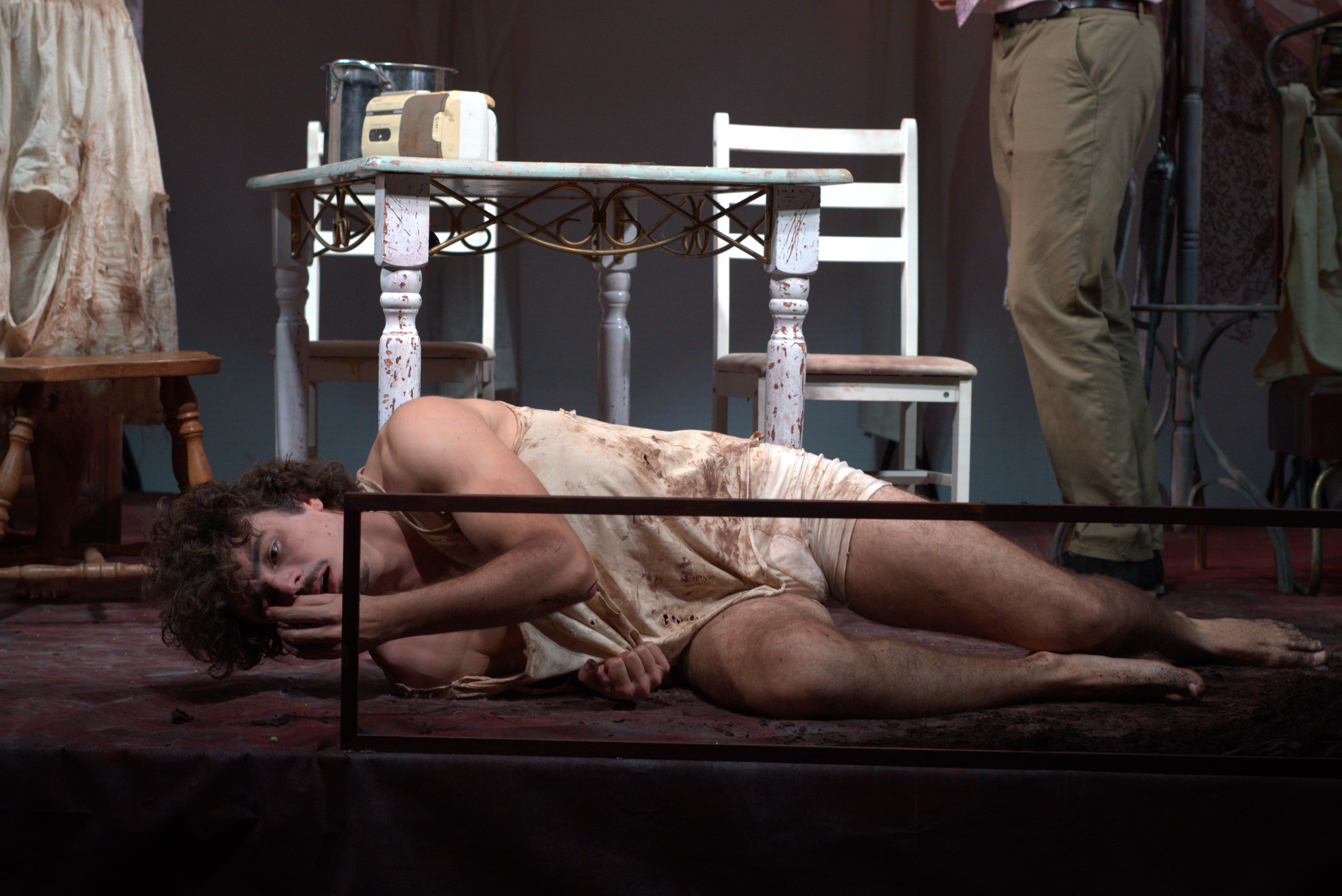
Directed by Calum Johnston with Assistant Director Jackson Paul, Mud was grippingly tense for its full 70 minutes. The play’s action is contained to a single room, and the audience seating surrounded the stage on three sides, looking in on the characters in their stifling isolation. The blocking clearly indicated the shifting hierarchy as characters stood on the table or writhed on the floor.
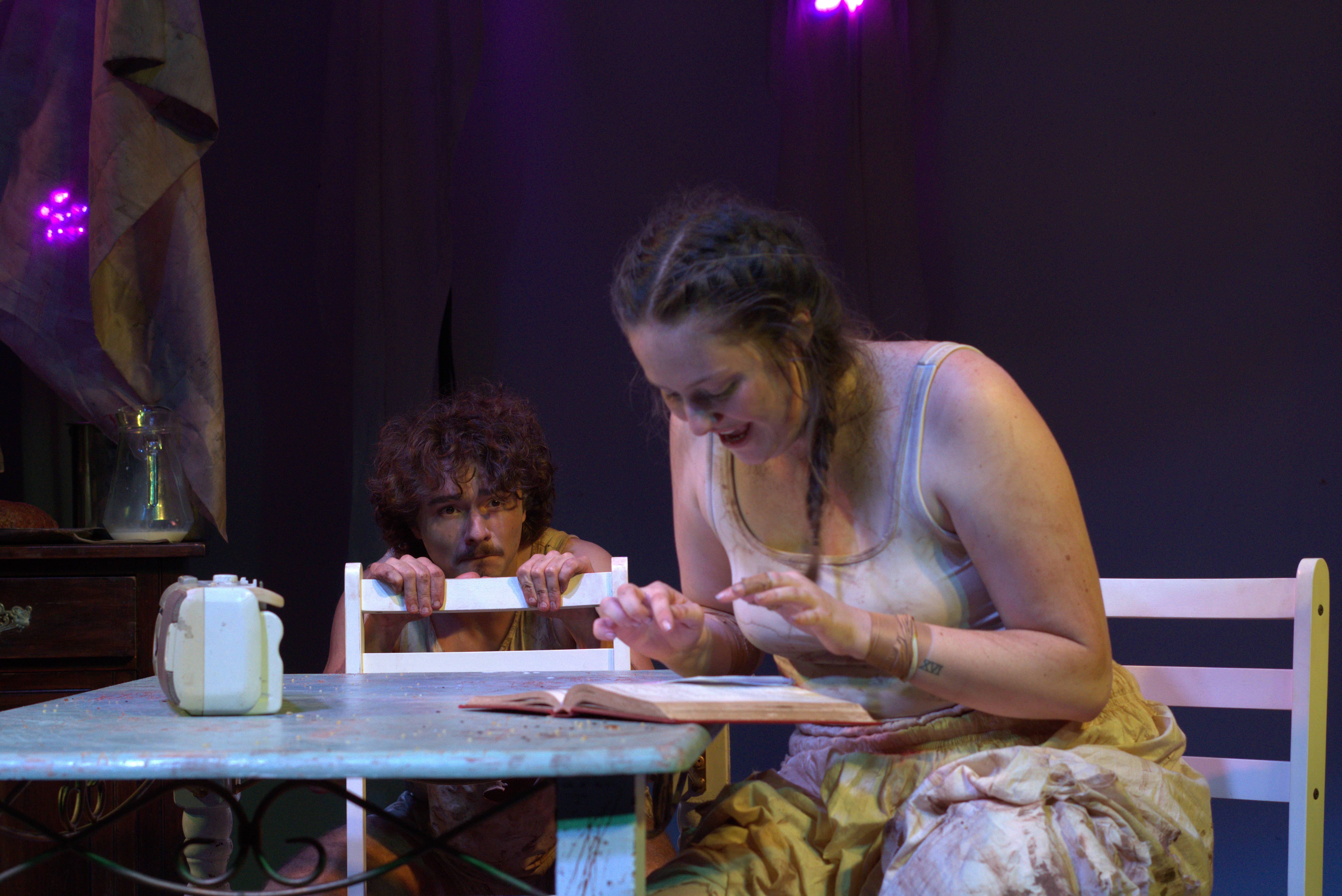
Sheets and curtains strung in a cascading, layered patchwork above the stage gave the set designed by Laurent Milton a palatial feel, offset by the muddy floors, and drew the eye to the table in the centre around which the action took place. Windowpanes at ground level contributed to the impression of an animal enclosure and reflected the characters at odd angles, creating a sense of unease.
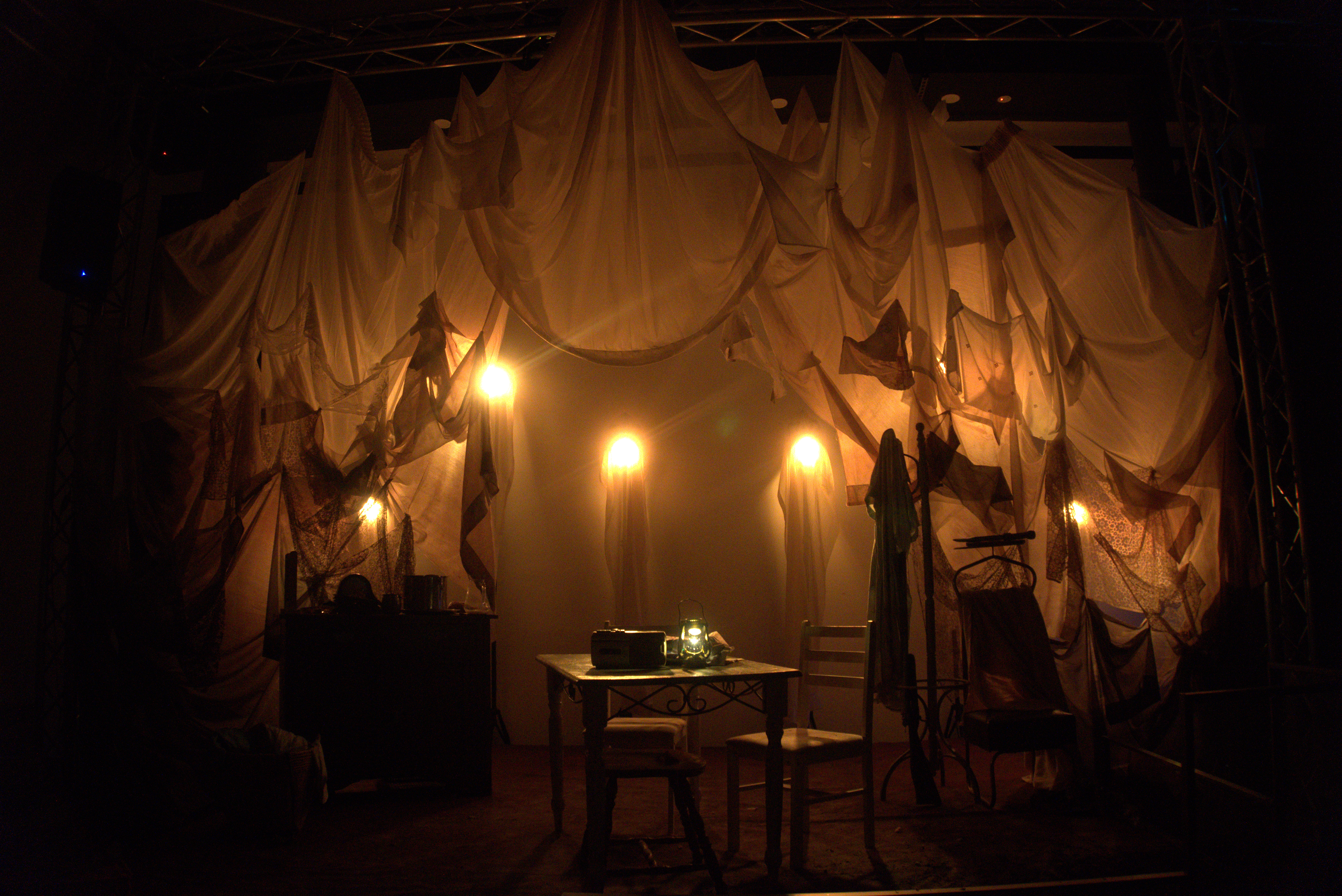
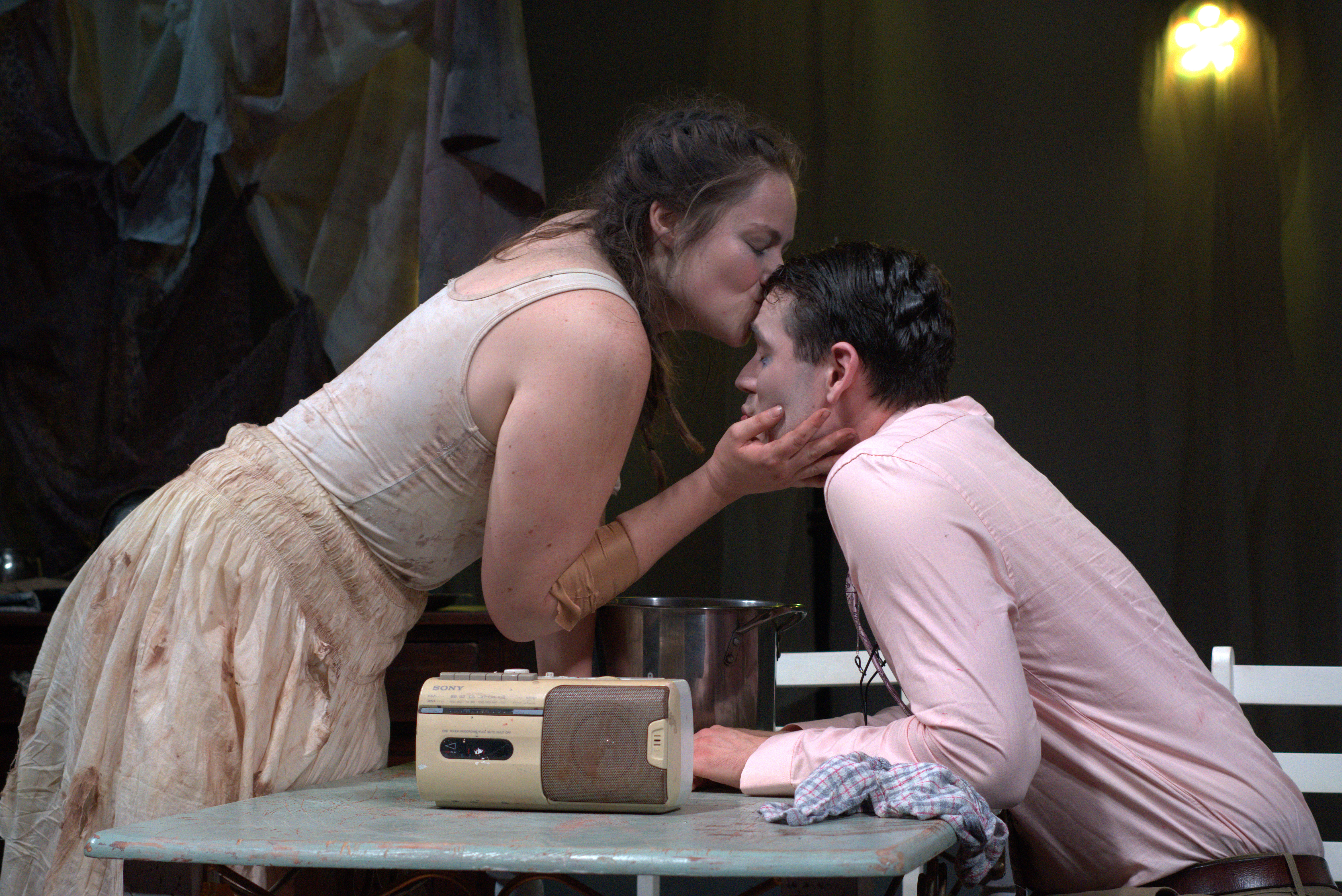
Lighting design by Noah Milne and sound design by New Resource, a digital art music collective, expanded the setting with music from the radio and the constant, oppressive ticking of a clock. Scene changes used freeze frames and coloured spotlights as well as the recurrence of Margo Guryan’s Why Do I Cry, changing each time in the tone, speed, or level of distortion.
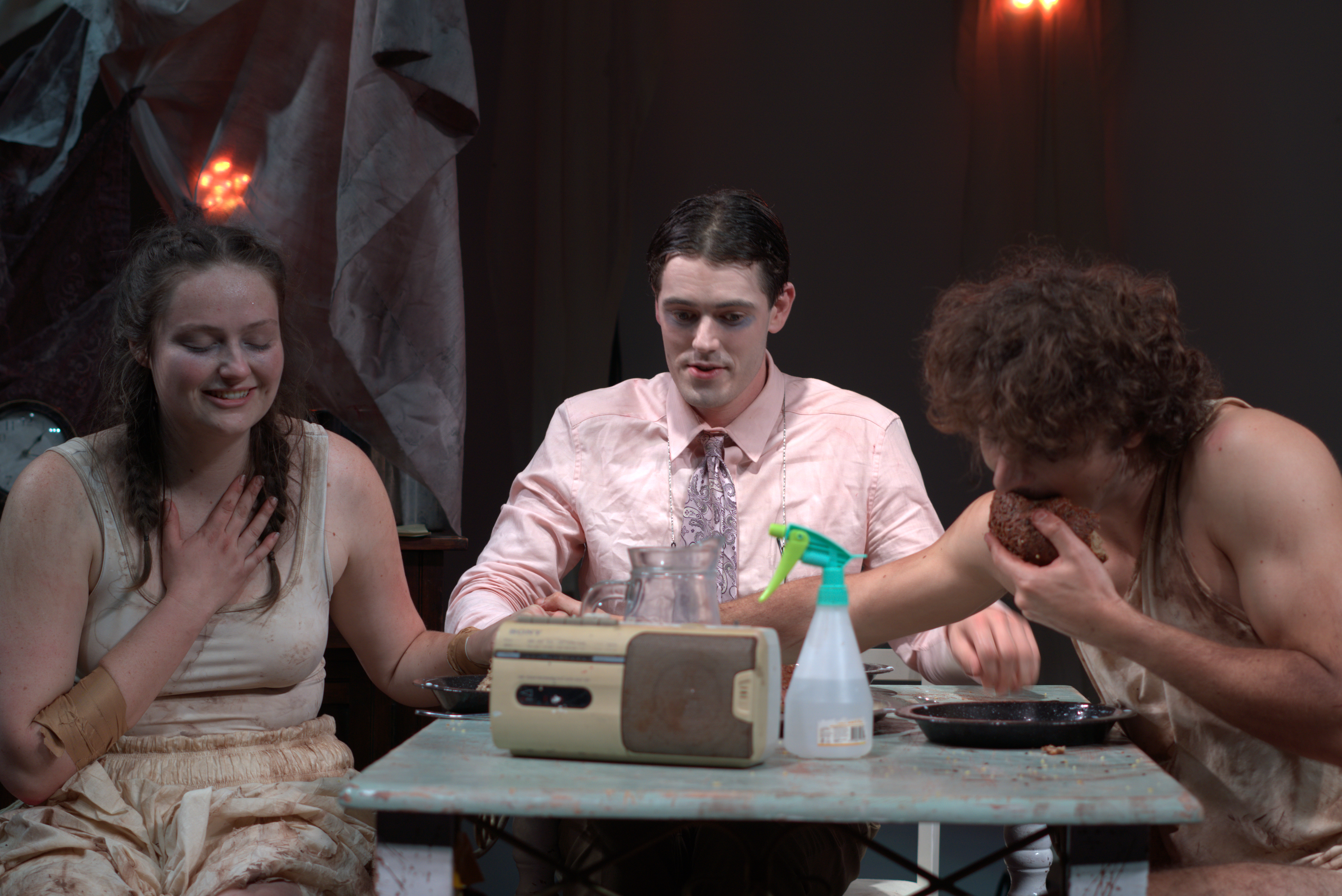
Jasmine Prasser was outstanding in the role of Mae, tenacious by necessity but filled with a naïve wonder and the hope of raising herself up to a better life. Mae was made all the more tragic by Prasser’s heartfelt portrayal of her pride at learning to read, her tears of joy as Henry recited grace at their dinner table, and her simple dream of dying in a hospital bed surrounded by clean sterility.
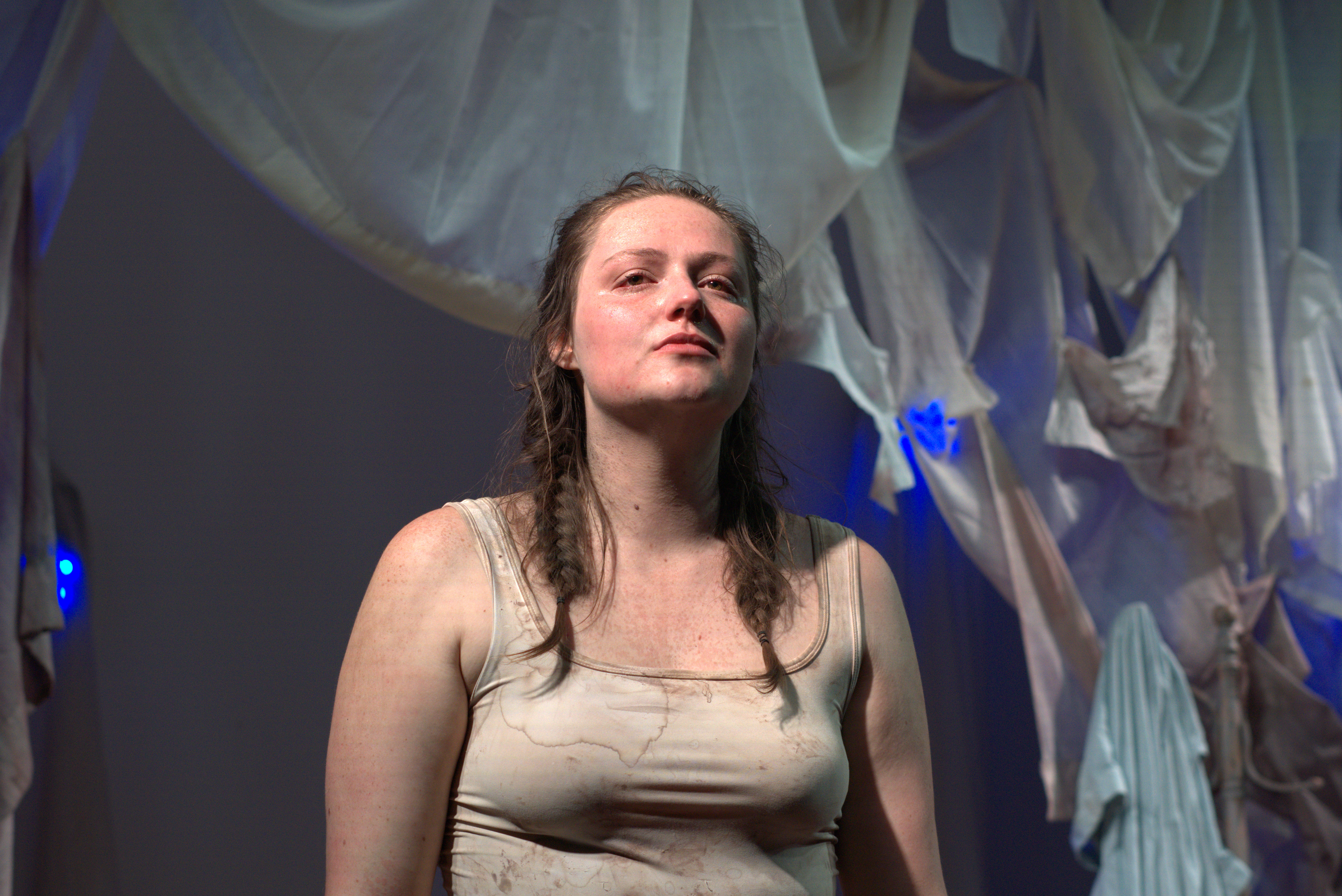
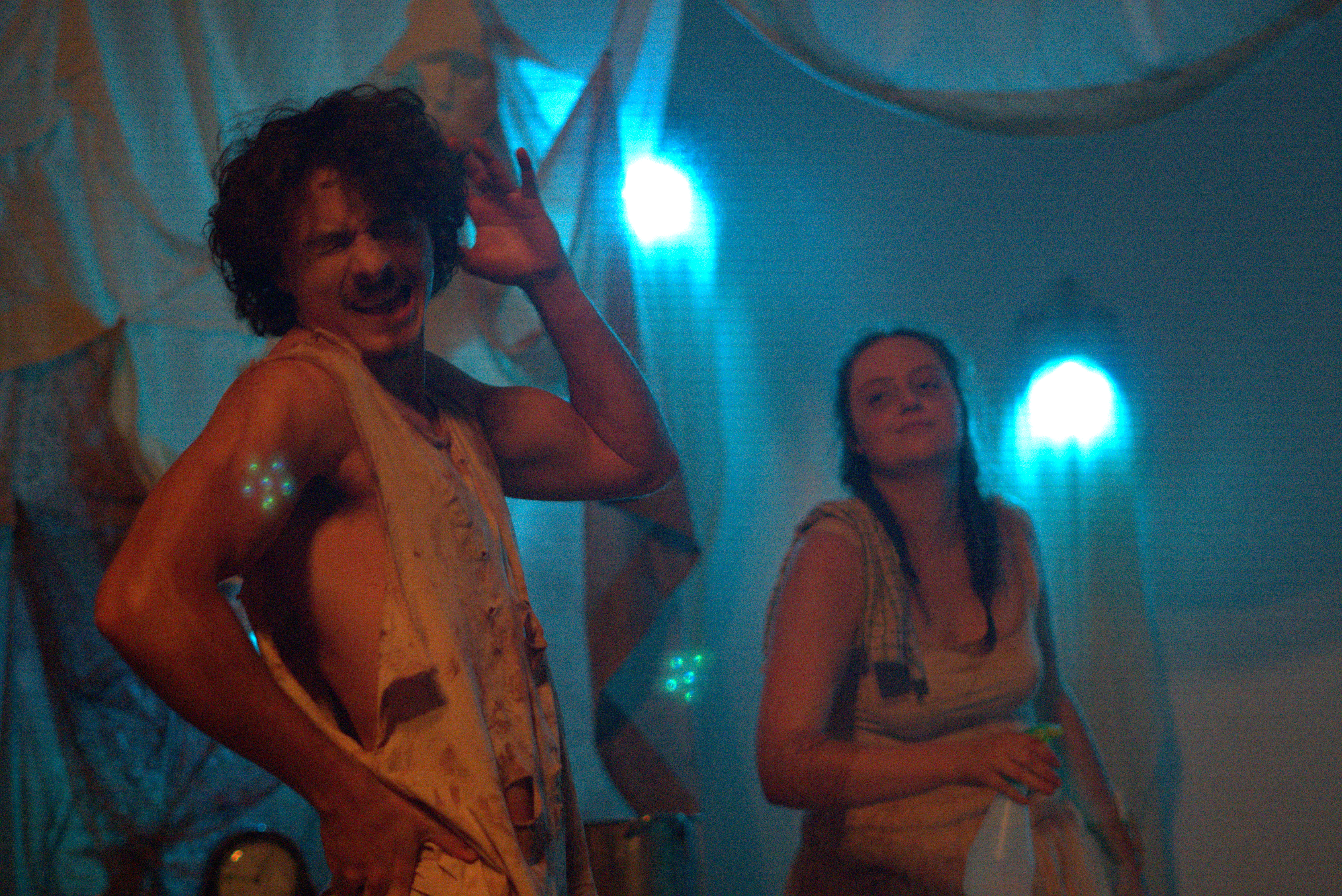
George Oates embodied the boisterous, highly physical character of Lloyd as he rolled, leapt, and crawled, but his performance also had an impressive subtlety and sincerity that drew out Lloyd’s comedic moments without tipping into slapstick. There is a casual cruelty and vulgarity in the way that Mae and Lloyd communicate, especially in the play’s early scenes, and in later scenes of violence that also involved Henry there remained a strong sense of trust between the actors. Michaela Fauxx provided choreography and intimacy coordination.
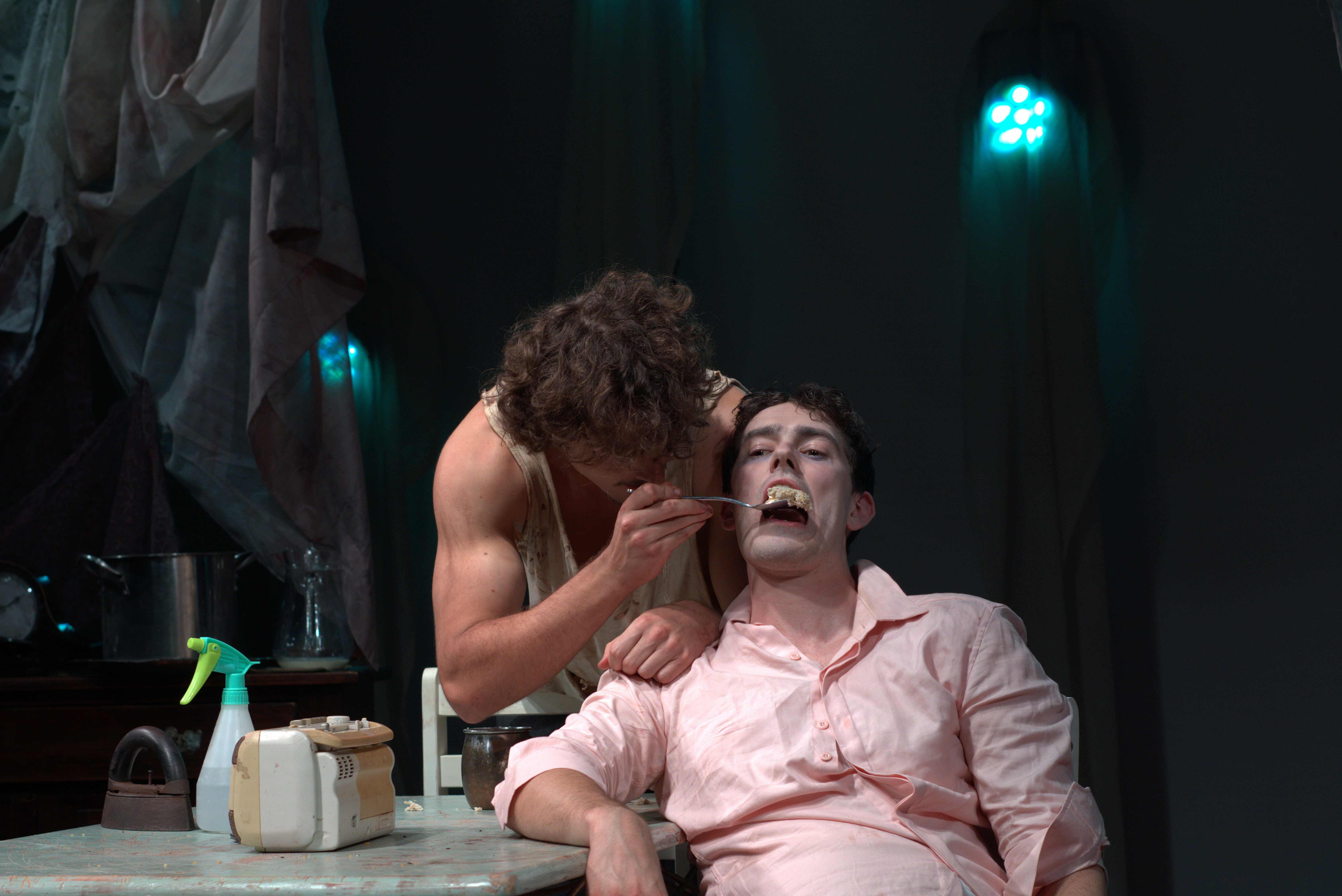
From self-assuredness and sweeping gestures to developing a stutter and cowering across the floor, Oates’ portrayal of Lloyd evolved significantly but believably throughout the play. Similarly, Alex O’Connell’s Henry began as neurotic and polite with small, nervous movements but became more expansive and languid as he became accustomed to life with Mae and Lloyd. All three actors managed to convey so much through facial expressions alone, with loaded glances and reactions across the table.
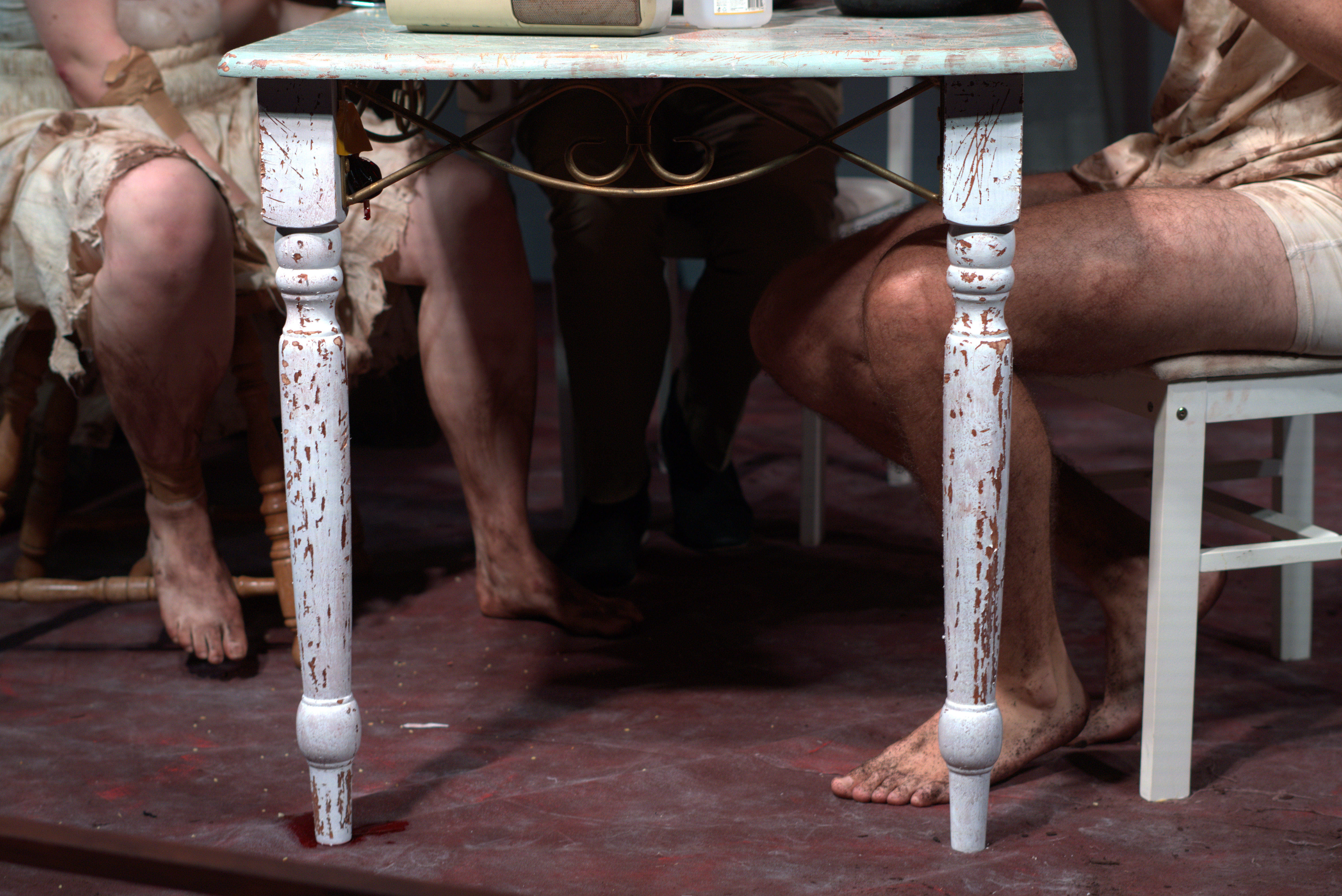
Devastatingly delivered by the cast and hauntingly realised by the creative team, Mud is a portrait of isolation and poverty as well as an accomplished character study of their impact.
MUD is playing at PIP Theatre in Milton from 14-22 March 2025
For further information, visit the PIP Theatre website
 Backstreet Brisbane
Leave a comment