
Counterpilot brought their oceanic participatory theatre experience Adrift back to Metro Arts as part of Brisbane Festival, submerging audiences in the storytelling through audio-based instruction and immersion.
Before entering the theatre, we were each fitted with an individual wristband, headphones, and a vest. Voices whispered in the headphones, sometimes clear and sometimes distant, as we sat along the sides of a hallway as though in a holding bay or maybe a submarine. Once everyone was wearing their headphones and vest, there was a brief audio test and we were guided into the darkened theatre.

The audience was separated into groups of four, based on the wristbands we were given, and seated around specially designed tables that were spaced throughout the room. The headphones guided every moment, mitigating the uncertainty and nebulous boundaries that can make interactive theatre feel intimidating or embarrassing.
Co-devised, co-written (with Toby Martin), and directed by Counterpilot’s Artistic Director, Nathan Sibthorpe, Adrift drew together three distinct storylines: the search for the 52-Hertz whale; the tale of the two lighthouse keepers involved in the Smalls Lighthouse Tragedy, off the coast of Wales, in 1801; and the story of Peter the dolphin and volunteer naturalist Margaret Howe Lovatt, who was teaching him human language in a 1960s NASA-funded research project. These stories were narrated in our headphones, and made interactive as participants were instructed to open up the tables in front of them, collaboratively building these settings and silently acting out some of the scenes using miniatures.
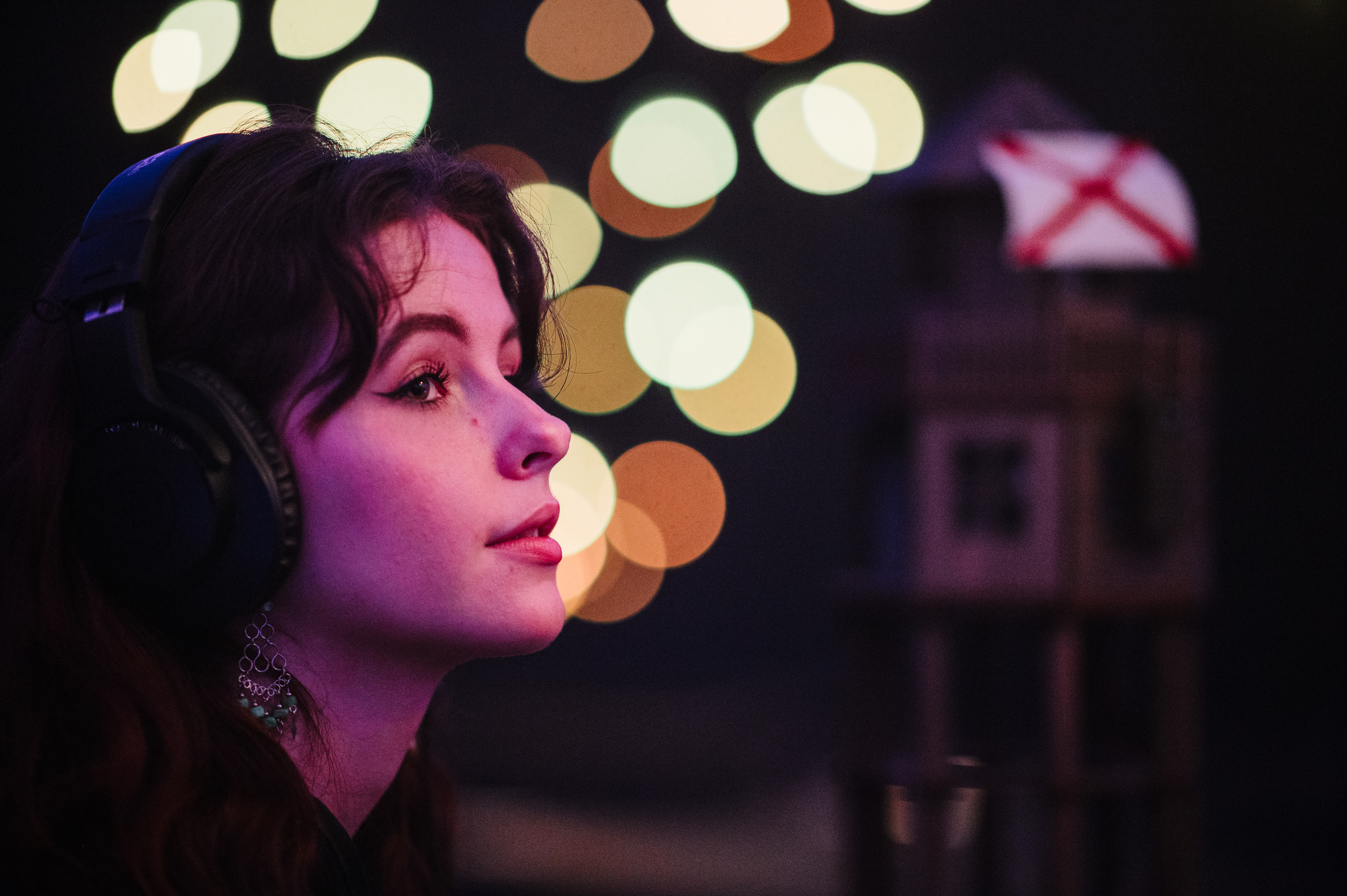
Right down to the amount of eye contact we should make with fellow audience members, we were instructed through the headphones and it became clear that some audio instructions differed between groups. There were also people stationed around the room to provide assistance if there were any technical issues, missing pieces, or confusion about the instructions.

I was awed by the design of Adrift. The specialised furniture was incredible: the tables held a pool of water in their centre, and each ‘wing’ of the table opened out to reveal tiny figures and objects, little lights, pieces of a puzzle that came together to tell a story in which the audience was an active participant. Composition and sound design by co-devisor Mike Willmett complemented and elevated the in-ear storytelling, and lighting and technical design by co-devisor Christine Felmingham was instrumental to the atmosphere and action happening in the room. Hundreds of small bulbs undulated in blue waves across the ceiling of the dark room, giving the impression of being underwater, and lights clustered together above each table in a way that felt like dripping water and provided enough light to see each other and the story unfolding on the table.

After the show had ended and the headphones, wristband, and vest had been returned, there was a lovely opportunity to pause and decompress in a separate space, decorated with nautical objects and paraphernalia from previous audiences, before leaving the theatre.
Adrift was an impressive and truly immersive theatre experience, employing stunning, highly specialised design to tell interweaving stories of the sea and our search for connection.
Adrift was performed at Metro Arts West End, from 11 – 28 September 2024
For further information, visit the Brisbane Festival website
 Backstreet Brisbane
Leave a comment